Many parents today want their children to learn digital creativity and communication without exposing them to the risks of mainstream social media.
Platforms like TikTok, Instagram, and YouTube are hugely popular, but they are not always designed with younger children in mind.
That’s why a new generation of kid-friendly social video apps has started gaining attention among digital parents. Two platforms often mentioned are Zigazoo and Coverstar.
Both apps allow kids to create short videos, interact with others, and express creativity online. However, they are built with different goals, safety approaches, and user experiences.
If you are researching Zigazoo vs Coverstar, this guide will help you understand their differences and decide which platform may be more suitable for your child.
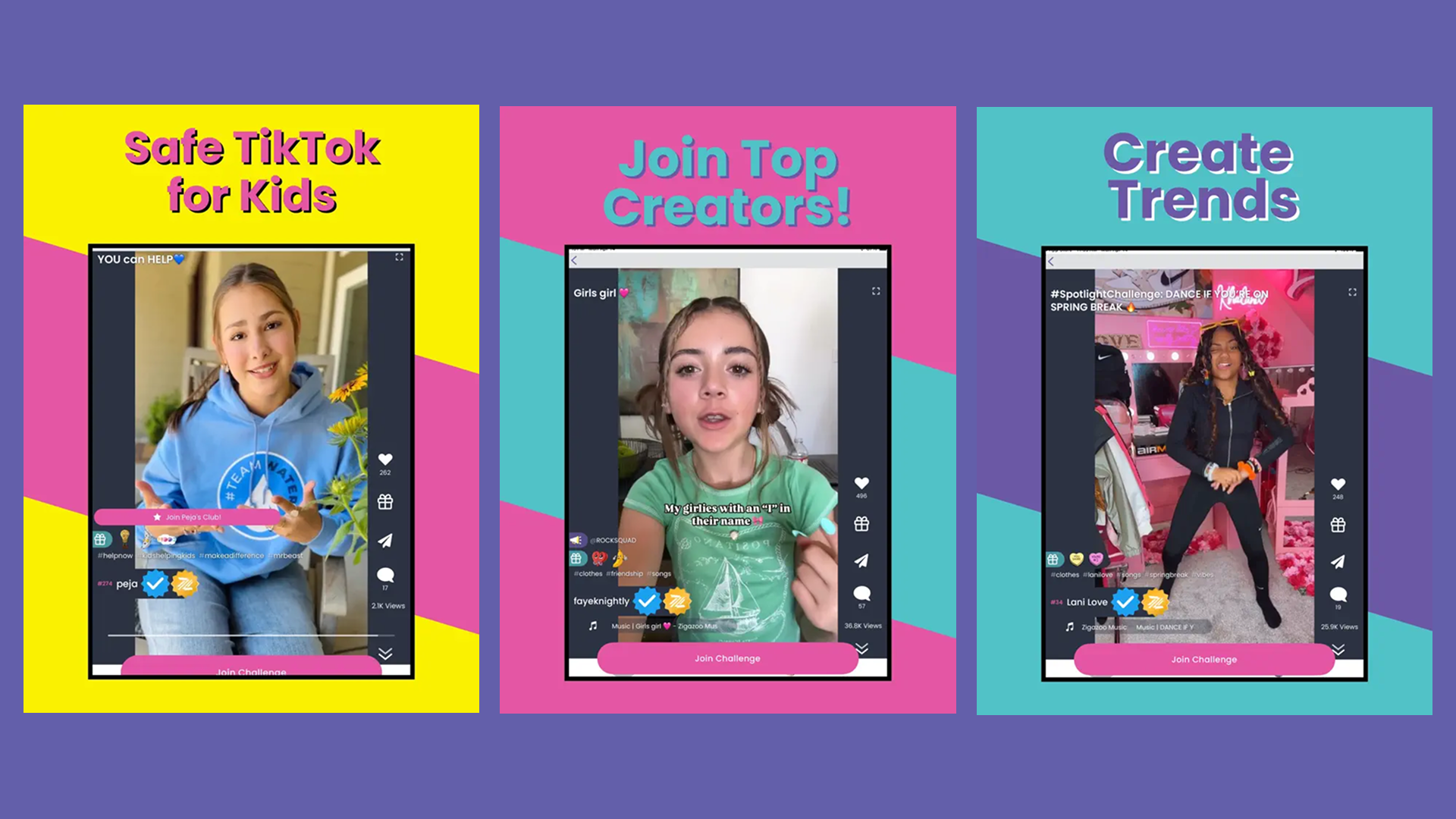
Zigazoo is a short form video platform designed specifically for kids and classrooms. Instead of focusing on viral trends, the platform encourages children to respond to educational prompts and creative challenges.
Kids can record short videos answering questions such as:
“Show your favorite science experiment”
“What animal would you like to study?”
“Explain your favorite hobby”
The idea behind Zigazoo is to combine social interaction with learning and creativity.
Many schools, museums, and educational organizations use Zigazoo to create interactive challenges that kids can respond to using video.
Children respond to questions or challenges instead of random trends.
Videos are reviewed before appearing publicly to ensure they are appropriate.
Kids cannot post negative comments. Interactions are limited to emojis or reactions.
Zigazoo is commonly recommended for kids between 6 and 12 years old.
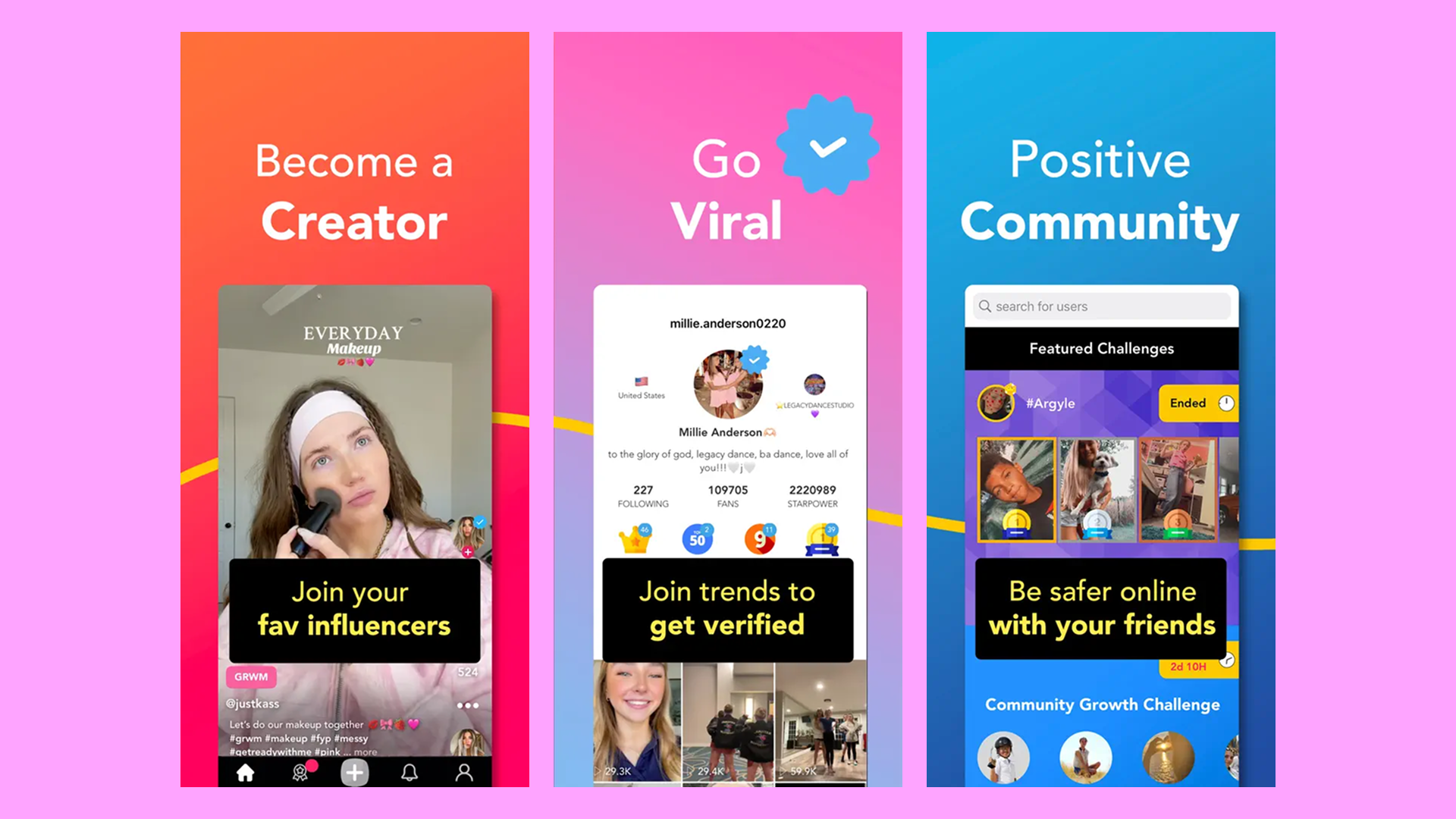
Coverstar is another short form video app for kids, but its approach is different.
While Zigazoo focuses on educational prompts, Coverstar focuses on creative video expression.
Children can create short videos using:
music tracks
filters
visual effects
editing tools
Because of these features, many people describe Coverstar as a kid friendly alternative to TikTok.
Kids can share videos, build a profile, and explore other creators’ content.
Kids can add music, filters, and effects to their videos.
Children can post videos and develop their own creative identity.
Content is monitored to keep it appropriate for younger audiences.
Feature | Zigazoo | Coverstar |
Main Focus | Learning and creativity | Entertainment and creativity |
Target Age | 6–12 | 8–14 |
Video Style | Prompt based responses | Trend and performance videos |
Interaction | Positive reactions only | Social engagement |
Moderation | Strong pre review moderation | Moderated but more open |
So, which one I should choose?
Zigazoo → stronger moderation and structured interactions
Coverstar → more creative freedom but requires more parental supervision
For families introducing kids to online communities for the first time, Zigazoo may offer a gentler starting point, while Coverstar can be suitable for older children who are ready for a more expressive digital environment.
Choosing between Zigazoo vs Coverstar depends on your child’s personality, interests, and digital maturity.
enjoys learning and answering questions
is new to social apps
benefits from a structured environment
is under 12 years old
loves music and performance
enjoys editing videos
wants more creative freedom
Some digital parents start with Zigazoo for younger children, then allow apps like Coverstar when kids are older and more comfortable navigating online communities.
For many families, Zigazoo is a gentler introduction to online creativity, while Coverstar offers a more expressive platform for older kids who enjoy making videos.
Ultimately, the best choice depends on your child’s interests and your family’s digital parenting approach.