
Parenting in the digital age presents both exciting opportunities and serious challenges. The rapid growth of technology has changed how children interact with the world—and how parents raise them. In this evolving landscape, early childhood courses are no longer just about learning basic child development. Today, they include modules on digital parenting, screen time management, emotional intelligence, and even online safety.
These modern early childhood courses aim to help parents and educators understand how to guide children through their early years while facing modern dilemmas. As parenting becomes more complex, education becomes more critical.
Early childhood is a crucial stage in a person’s life. It’s when habits form, emotional patterns develop, and cognitive growth accelerates. Research has consistently shown that experiences in these early years have long-term effects on a child’s future learning and behavior.
But modern parenting is no longer just about reading storybooks and teaching manners. The average toddler today interacts with screens, digital devices, and online media almost as much as with physical toys. This shift has made many traditional parenting approaches outdated. That’s where early childhood courses become a necessity, not a luxury.
Modern courses provide structured guidance that blends classic child development theory with practical digital-age skills. Parents learn not only how to encourage healthy play and communication, but also how to regulate screen use, recognize signs of digital overexposure, and build emotionally strong children in a fast-paced world.

Digital parenting is a central theme in many new early childhood courses. These programs cover topics such as:
Healthy screen habits
Age-appropriate digital content
Cyber safety for toddlers and preschoolers
Balancing tech with real-world play
Recognizing tech-related behavioral issues
Rather than fighting technology, these courses teach parents how to use it as a tool. Under supervision, structure, and moderation. For instance, using digital learning apps in a scheduled routine can enhance literacy or numeracy skills. But without control, the same apps can trigger attention disorders or emotional disconnection.
One of the biggest problems today is that many parents are unaware of how early exposure to screens affects children. They assume educational videos or digital games are harmless. Early childhood courses bring research-based insights into how the developing brain reacts to screen time, both positively and negatively.
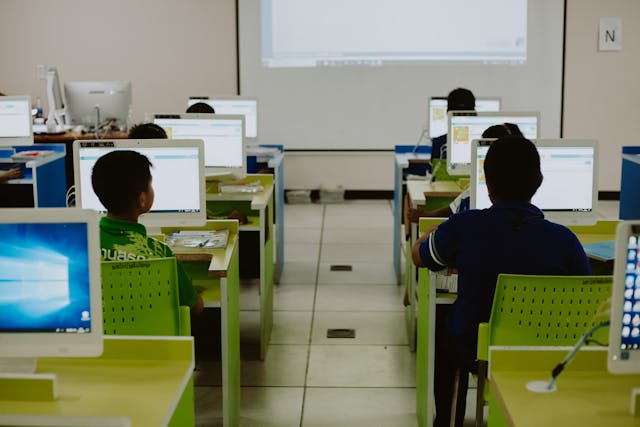
There are thousands of early childhood courses available online and offline. However, not all of them are updated with current parenting challenges. If you are a parent or caregiver, look for these features when selecting a course:
– Inclusion of digital parenting modules.
– Evidence-based curriculum.
– Interactive and practical lessons.
– Focus on both emotional and cognitive development.
– Support from certified child development professionals.
Some highly rated programs also include peer discussion forums, where parents can share real experiences and solutions. This type of social learning makes the course more than just an information source. It becomes a support system.
One of the advantages of today’s early childhood courses is their accessibility. You don’t need to attend in-person classes. Many top courses are now available on e-learning platforms. Parents can study at their own pace and revisit modules as needed.
With digital formats, early childhood education becomes more inclusive. Working parents, single caregivers, and even grandparents can access learning materials with just a smartphone.
But again, not all online courses are equal. Parents should be critical of free courses that lack verified content or use outdated methods. The best online programs will be interactive, certified, and aligned with the latest research in both parenting and education.
Not at all. While many courses are designed for parents, early childhood educators, babysitters, and even extended family members can benefit. In fact, having a consistent approach to digital parenting across all caregivers helps the child adapt better and feel secure.
A structured course can also reduce the emotional load on parents. Knowing that they’re making informed decisions about screen time, learning methods, and behavior management brings confidence and peace of mind.
While blogs and videos offer good tips, early childhood courses offer structured, research-backed learning. They give deeper understanding and practical steps based on proven methods.
Yes. Many courses include digital parenting modules that focus on screen time strategies, content filtering, and balancing tech with play.
Some programs offer special modules tailored for children with learning or developmental challenges. Be sure to check the curriculum before enrolling.
It varies. Some are short two-week programs, while others run for months. Many are flexible and self-paced.
Both can be good, but make sure the provider has updated content, qualified instructors, and real testimonials.