
Technology is changing the way children play and learn. Today, many parents look for toys that are not only fun but also educational and interactive. That is why the robot dog toy has become one of the most popular choices for modern families.
Unlike regular stuffed animals, a robot dog toy can move, bark, dance, react to touch, and follow commands. Some models even introduce children to STEM learning, coding, and problem-solving skills through play.
For many kids, these interactive toys feel exciting because they combine fun, technology, and creativity in one experience.
Children naturally enjoy toys that react and interact with them. A robot dog toy feels more engaging than a traditional toy because it can respond to movement, voice commands, and touch.
At the same time, robot pets can encourage:
interactive play
creative thinking
imaginative play
technology skills
emotional connection
Because of this, many children quickly become attached to their robotic pets.

One of the biggest benefits of a robot dog toy is helping children learn while having fun. Many robot toys introduce kids to STEM education through simple games and interactive activities.
Some robot toys help children explore:
1. basic coding
2. problem-solving skills
3. logical thinking
4. robotics concepts
5. technology interaction
As a result, children can build confidence with technology from an early age.
Kids often create stories and adventures with their robot dog toy. Some pretend their robot pet is a superhero, while others imagine it as a smart AI companion.
This type of imaginative play helps children:
1. improve storytelling skills
2. explore creativity
3. build communication skills
4. support healthy child development
Open-ended play is important because it allows children to think creatively instead of simply consuming digital content.
Many parents today worry about excessive screen use. A robot dog toy can provide a more active alternative to endless scrolling, gaming, or watching videos.
Instead of sitting with a tablet or smartphone, children actively interact with the toy through movement and commands.
Because of this, robot toys may help support healthier screen time balance and more active play habits.
Children often build emotional connections with interactive toys. Since a robot dog toy reacts to sounds, touch, and movement, kids may feel emotionally engaged during playtime.
This can help children:
1. build empathy
2. express emotions
3. feel companionship
4. improve confidence during solo play
For some children, robot pets can also help reduce boredom and encourage independent play.
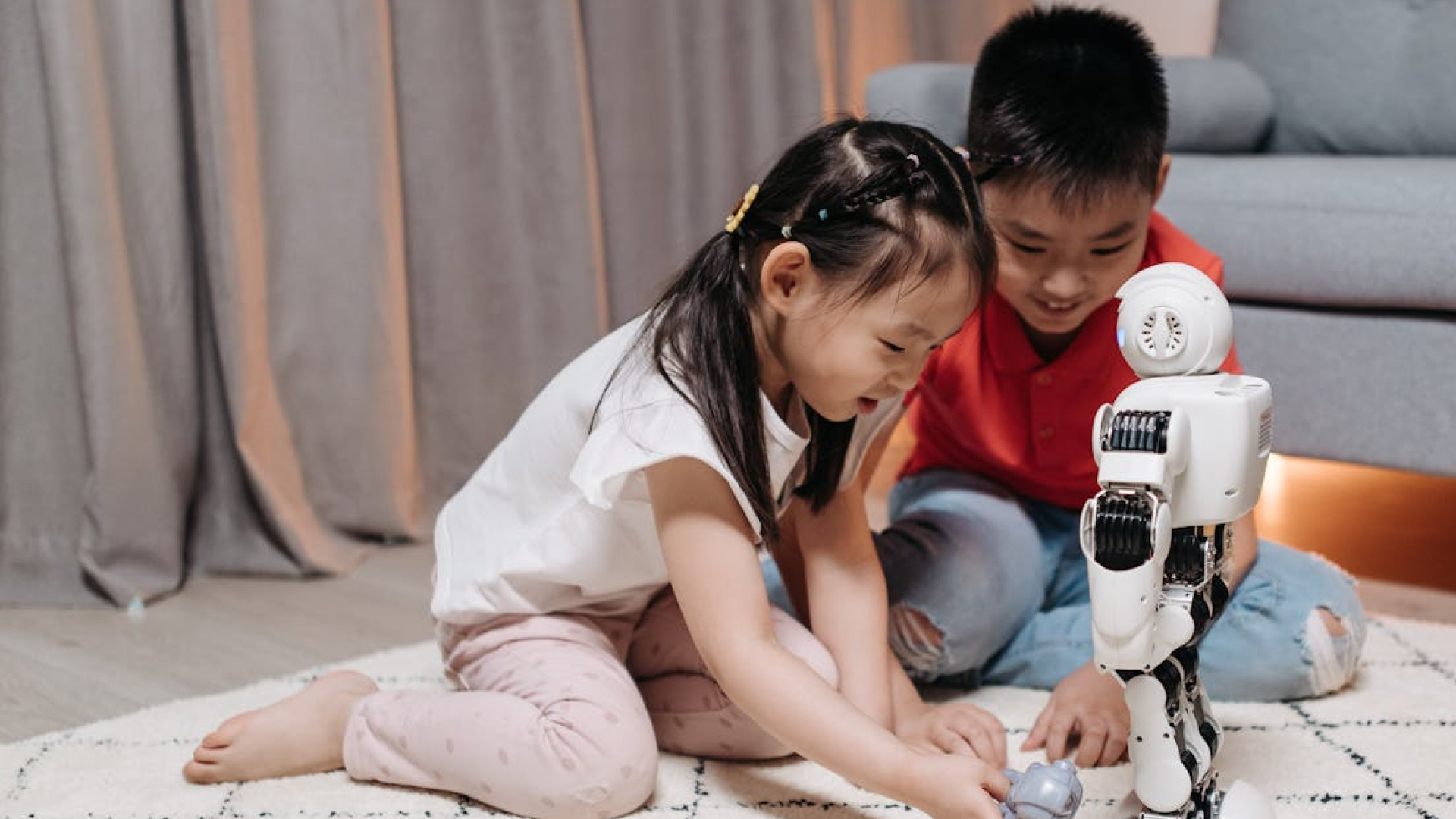
Some robot dog toys walk, dance, or follow commands. This naturally encourages children to move more during playtime.
Kids may:
1. chase the toy
2. build obstacle courses
3. dance together
4. train the robot using voice commands
As a result, playtime becomes more interactive and physically active.
Even though it is not a real pet, a robot dog toy can still teach children basic responsibility.
Kids may learn how to:
1. care for their belongings
2. charge the toy properly
3. follow routines
4. keep toys organized
For younger children, this can become a gentle introduction to caring for pets.
Children today grow up surrounded by technology. A robot dog toy helps kids explore robotics and digital interaction in a fun and less intimidating way.
At the same time, children learn that technology can be:
1. educational
2. creative
3. interactive
4. skill-building
This early exposure can help children feel more comfortable with future digital learning experiences.
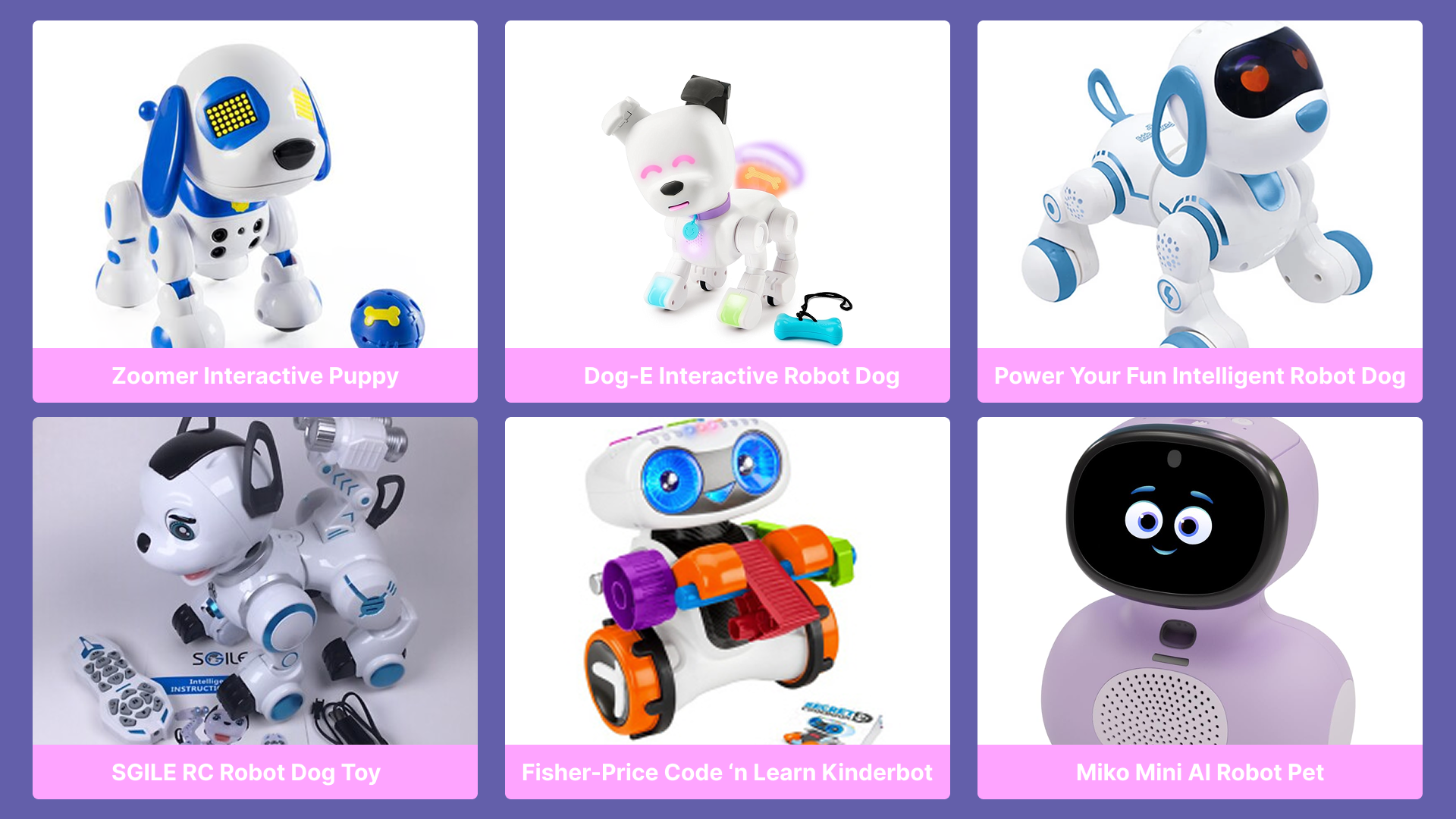
Parents can find many popular robot dog toy options on Amazon or Walmart, including:
1. Zoomer Interactive Puppy
2. Dog-E Interactive Robot Dog
3. Power Your Fun Intelligent Robot Dog
4. SGILE RC Robot Dog Toy
5. Fisher-Price Code ‘n Learn Kinderbot
6. Miko Mini AI Robot Pet
Some toys focus on entertainment, while others include educational features connected to STEM toys and coding activities.
A robot dog toy can offer much more than simple entertainment. These interactive toys help children explore creativity, emotional learning, robotics, and active play in a fun and engaging way.
For parents looking for educational toys that also feel exciting and modern, robot pets can be a great choice for kids.
Yes. Many robot toys support STEM learning, coding, creativity, and problem-solving skills.
Most robot dog toys are designed for children ages 3 and above, although advanced coding toys may work better for older kids.
Yes. Interactive toys encourage children to play more actively instead of only watching screens.
Most robot toys are safe when parents choose age-appropriate products from trusted brands.
Yes. Many children enjoy robot pets because they move, react, and interact like real animals.