In today’s connected world, it has become normal for kids to see their friends with shiny new smartphones. For many families, however, the decision to delay giving a personal device is intentional. While parents might feel confident about the choice, the child may struggle with jealousy, comparison, or even social pressure. Understanding how to navigate this stage is a key part of digital parenting. This guide explores how to support kids when children don’t have phone while their peers do, helping them grow resilient and confident in the process.

Not every child is ready for a phone, and many parents delay this milestone for good reason. Some worry about excessive screen time, while others want to protect their kids from early exposure to social media. Concerns about online safety, inappropriate content, and the risks of distraction in school also play a role. Choosing to raise kids without phones, at least for a while, can be a way of safeguarding their childhood and focusing on healthier habits.
For many families, no phone parenting is a conscious choice, not a punishment. Parents want their children to build strong friendships face-to-face, explore offline hobbies, and develop self-control before handling the responsibility of a device. Still, even when the logic is clear, it can be emotionally difficult for a child when friends have what they don’t.
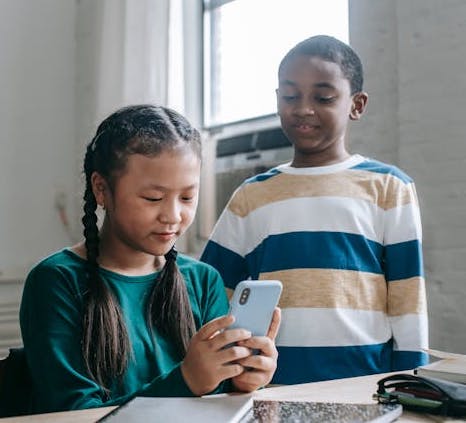
When children don’t have phone, the feeling of being left out often comes from school or social settings. Imagine being the only one in the group who cannot join the class chat or take part in shared gaming apps. The sense of exclusion can quickly turn into jealousy. For kids, comparison is natural, and not having the same device may feel like a sign of being different.
Peer pressure intensifies these emotions. Some children may even be teased for not keeping up. Parents need to recognize that while child jealousy phone may seem like a minor issue, it can affect a child’s self-esteem and sense of belonging. Addressing these emotions with empathy is the first step toward helping them cope.
The best way to handle jealousy is through honest conversation. Instead of dismissing their feelings, acknowledge the frustration of seeing others with phones. By validating their emotions, you show that their concerns are taken seriously. Then, explain your reasons for delaying a phone in age appropriate language. Children don’t have phone because parents want to protect them, not deprive them.
It helps to talk about readiness. A phone is not just a toy. It’s a responsibility. Teaching digital responsibility before giving them a device prepares them for the future. Parents can set clear expectations: for instance, a phone will come when certain signs of maturity are visible, such as keeping track of belongings, managing schoolwork, or following family rules consistently.
One way to reduce jealousy is by offering practical alternatives. Some families use a shared family phone for emergencies, while others introduce kid friendly tech like basic smartwatches. These solutions give kids without phonesa sense of connection without handing over full access to a smartphone.
More importantly, parents can balance the lack of a personal phone by creating enriching offline experiences. Encourage sports, hobbies, and creative activities that help children build confidence outside the digital world. The more fulfilling their day to day life becomes, the less powerful the pull of comparison feels. When children don’t have phone, they need strong reminders that their value isn’t measured by technology but by who they are and what they enjoy.
Eventually, the time will come when parents reconsider the decision. While there is no universal age, the question of when should a child get a phone depends on maturity, lifestyle, and family needs. Look for signs such as:
They handle school responsibilities without reminders.
They show self control with screen use on shared devices.
They demonstrate honesty and openness in communication.
If these traits are visible, it might mean your child is ready to transition from a phone free childhood to owning one responsibly. Until then, it’s perfectly valid to delay.
Parenting in the digital age requires balance. It is not easy to see your child upset or jealous, but the decision to wait often protects them from challenges they may not be ready for. By staying firm, offering alternatives, and keeping the conversation open, parents can raise resilient children who understand that a phone is a tool, not a measure of worth. When children don’t have phone, it can be a powerful opportunity to teach patience, gratitude, and the value of real-world connections.
Not at all. Many experts believe waiting helps kids build stronger social skills, avoid distractions, and develop digital responsibility at the right time.
Be clear and empathetic. Share your concerns about safety, screen time, and responsibility. Emphasize that the decision comes from care, not punishment.
Validate their feelings, provide alternatives like shared devices, and encourage fulfilling offline activities to shift focus from comparison.
There is no fixed age. It depends on maturity, lifestyle, and readiness to handle responsibility. Many families wait until middle school or later.
Teach healthy tech habits early set limits on shared devices, model balanced use, and talk about online safety long before they get their own phone.