Music is part of daily life for many children. Kids listen to songs while playing, relaxing, or riding in the car. Music helps them express emotions and feel comfortable. Because of this, parents often allow children to use music apps.
Still, problems appear quickly. Most music streaming platforms are designed for adults. They focus on trends, charts, and constant discovery. This makes it hard for parents to feel confident about what their kids might hear.
Explicit lyrics, adult themes, unwanted ads, and unpredictable recommendations often show up. Even with parental settings or family sharing, mistakes happen. One shared playlist or one unchecked option can expose kids to content that feels inappropriate.
Parents feel stuck. Kids love listening to music, but safety matters. This is why many families start looking for a music app for kids that is actually built with children in mind.
When parents search for a solution, they are not asking for perfection. They want clarity and consistency.
A good child-friendly music app usually focuses on basic needs rather than endless features. It should feel simple for kids and predictable for parents.
Most parents look for:
Clean or filtered lyrics
Age-appropriate music content
Simple navigation designed for kids
Clear parental control settings
Fewer distractions and minimal ads
These expectations explain why parent-approved music apps are becoming more popular. They help families balance technology without turning music into a constant worry. This approach reflects how platforms like Kids.Tech think about digital tools for families.
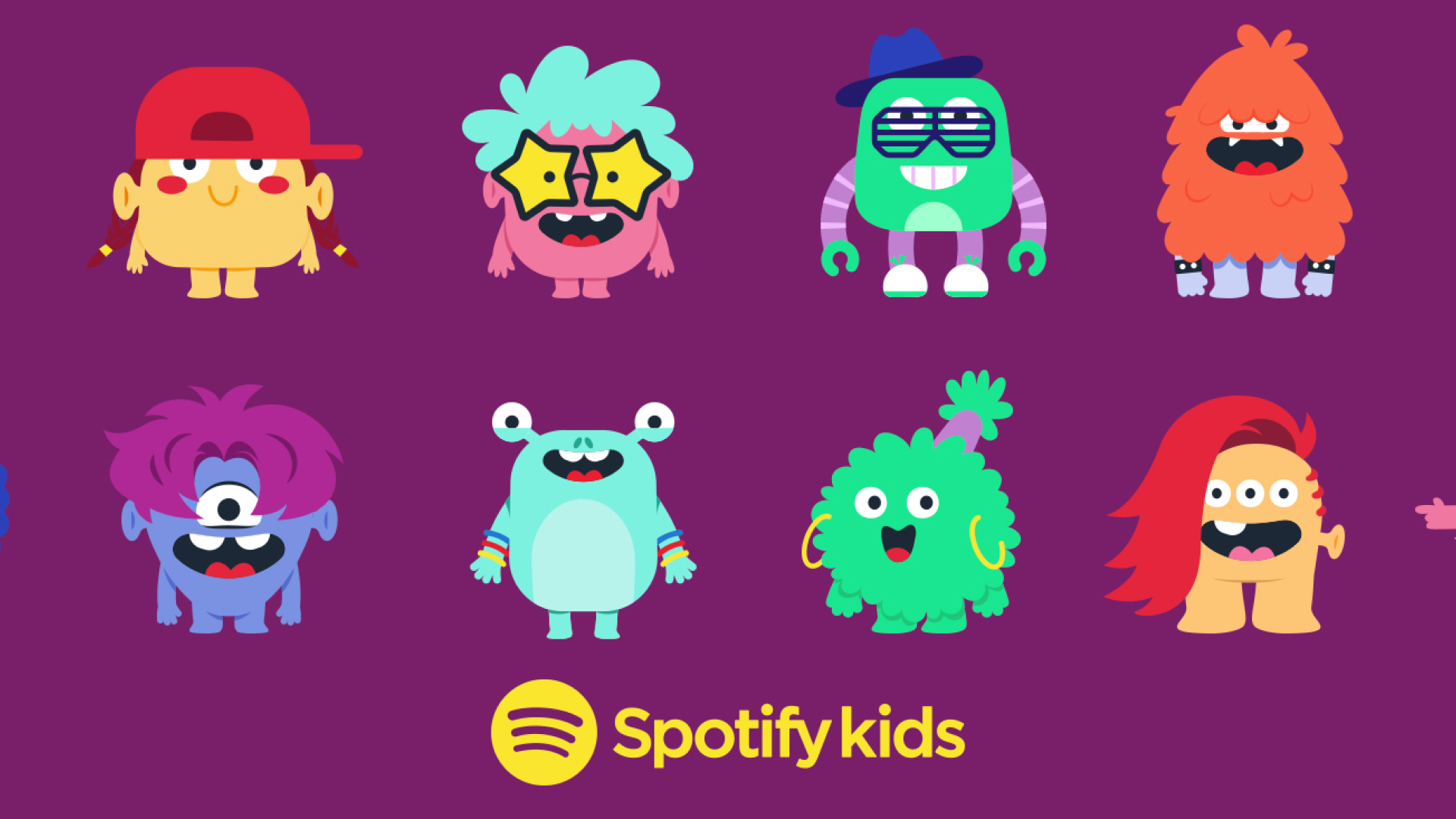
Many families already use Spotify. Because of this, Spotify for Kids is often the first option parents explore when searching for a kids music app.
Spotify offers several tools that help create a safer listening experience for children, especially through family plans.
Key features of Spotify for Kids include:
Family accounts with separate user profiles
Explicit content filters
Curated playlists designed for children
Offline listening options
Spotify for Kids feels familiar and convenient. Older kids often like using the same platform as their parents. However, recommendations and playlists change over time. Parents still need to review settings occasionally.
For families who value flexibility, Spotify for Kids can work well with active involvement.

Gabb Music takes a more controlled approach. It is built specifically as a music app for kids and teens, not an adult platform with filters added later.
Instead of relying on parental settings alone, Gabb Music focuses on prevention.
Key features of Gabb Music include:
Songs reviewed before being added
Clean lyrics only
No ads
Simple and distraction-free interface
Because everything is filtered ahead of time, parents do not need to manage settings constantly. This makes Gabb Music appealing to families who want a safe music streaming for kids experience without ongoing oversight.
The music library may feel smaller, but predictability is the main benefit.
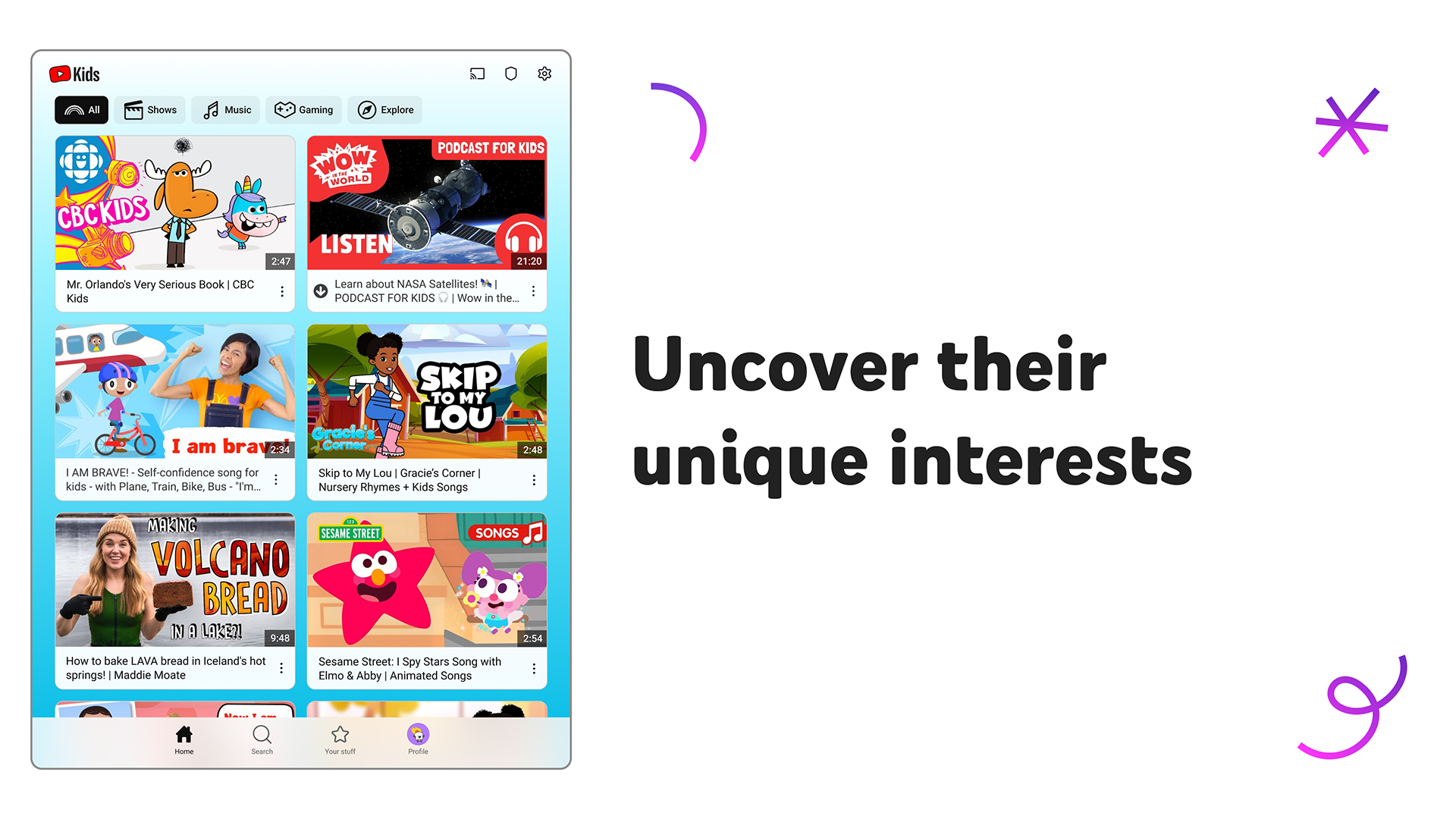
YouTube Music Kids attracts children because of its massive music catalog. Kids can quickly find songs they already know and enjoy.
Key features of YouTube Music Kids include:
Very large music library
Supervised listening modes
Parental monitoring tools
Access to music videos and audio
The strength of YouTube Music Kids is choice. However, recommendations can shift quickly. Visual content can also distract younger children. Parents need to stay involved and explain boundaries clearly.
For older kids who already understand rules, YouTube Music Kids can function as a more flexible children’s music platform.
Compared to video platforms, music apps are calmer. Kids do not need to stare at a screen. They can listen while drawing, playing, or resting.
Many parents use educational music apps for kids:
During playtime
While studying
As part of bedtime routines
This makes music a more balanced form of digital engagement.
Technology will always be part of childhood. Music will always be part of growing up. The goal is to bring both together in a thoughtful way.
A well-chosen music app for kids helps parents set boundaries without removing joy. Whether families choose Spotify for Kids, Gabb Music, or YouTube Music Kids, the focus stays the same: safe access, simple controls, and age-appropriate content.
This kind of careful thinking is what modern parenting requires and it is exactly the type of guidance Kids.Tech aims to support.