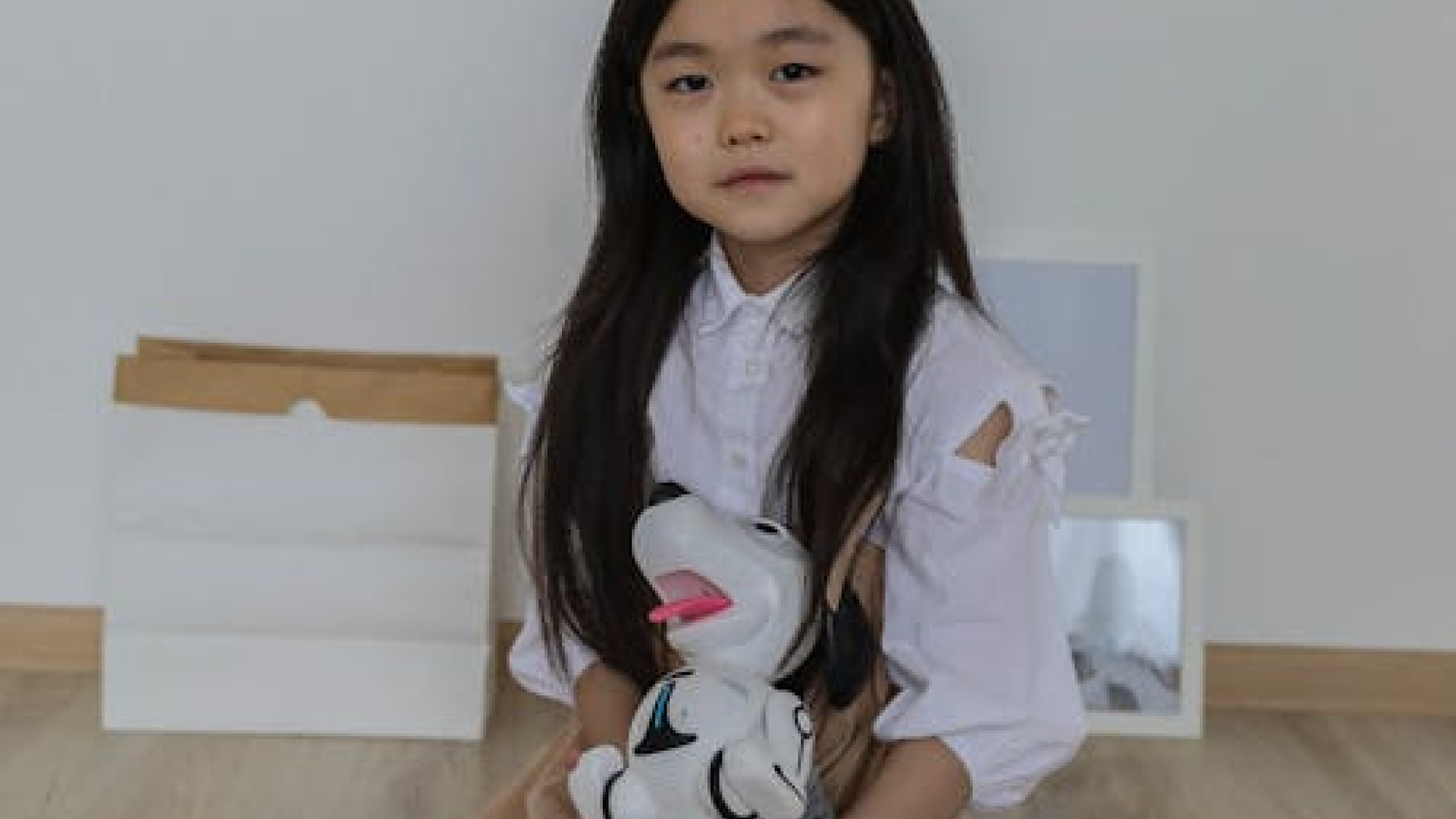
Parenting today looks very different from the past. Children now grow up surrounded by smart devices, AI tools, and digital experiences. Because of this shift, many parents begin to wonder whether technology can also support emotional growth and responsibility. One question often comes up: are robot pets for kids becoming part of modern parenting?
At first glance, robot pets may look like advanced toys. However, when you look deeper, they offer more than entertainment. Robot pets for kids interact, respond, and adapt. As a result, they sit between play, learning, and emotional development.
This article explores how robot pets for kids affect childhood, where they truly help, where they fall short, and how parents can use them wisely.
Simply put, robot pets for kids are interactive robotic toys designed to behave like animals. They use sensors, AI software, and programmed responses to react to children’s actions.
For example, many robotic pets for children can:
Respond to touch and sound
Follow simple voice commands
Express emotions like happiness or sadness
Change behavior based on interaction
Because of this, children do not just play with them. Instead, they form routines and emotional habits. Popular options include robot animals for kids such as robot dogs, cats, dinosaurs, and fantasy creatures.
Today’s parents face real limitations. Busy schedules, small living spaces, allergies, and safety concerns often make real pet ownership difficult. Because of these challenges, many families turn to robot pets for kids.
On the practical side, smart robot pets:
Do not need feeding or cleaning
Do not require vet visits
Reduce allergy risks
Are easier to supervise
At the same time, they still encourage responsibility. Children must interact, respond, and care for their robotic companion. As a result, parents see them as a balanced option rather than a shortcut.
Many parents worry about emotional development. Can technology really help children build empathy?
In reality, interactive robot pets can support emotional learning when parents guide their use properly. Unlike screens, robot pets require active engagement.
For instance, children learn to:
Recognize emotional cues
Respond with care and patience
Understand cause and effect
Practice consistency
Moreover, robot companion pets react calmly and predictably. Because of this, children often feel safe expressing emotions. This is especially helpful for kids who feel overwhelmed easily.
This is where robot pets for kids show deeper value.
Children with autism, anxiety, or sensory sensitivities often struggle with unpredictable environments. Real pets, while loving, can sometimes increase stress.
On the other hand, child-friendly robot pets offer:
Predictable behavior
Calm responses
No social pressure
Emotional comfort without demands
As a result, many parents and therapists see AI-powered pet robots as supportive tools rather than toys. They help children regulate emotions and build trust in a safe way.
In addition to emotional growth, many educational robot pets support learning.
Depending on the model, children may develop:
Problem-solving skills
Logical thinking
Early STEM awareness
Communication skills
Some toy robots for kids even allow simple programming or customization. Because of this, children learn that their actions create outcomes. Learning happens naturally through play, not pressure.
Unlike passive screen time, robot pets for toddlers and older kids require movement, voice, and attention.
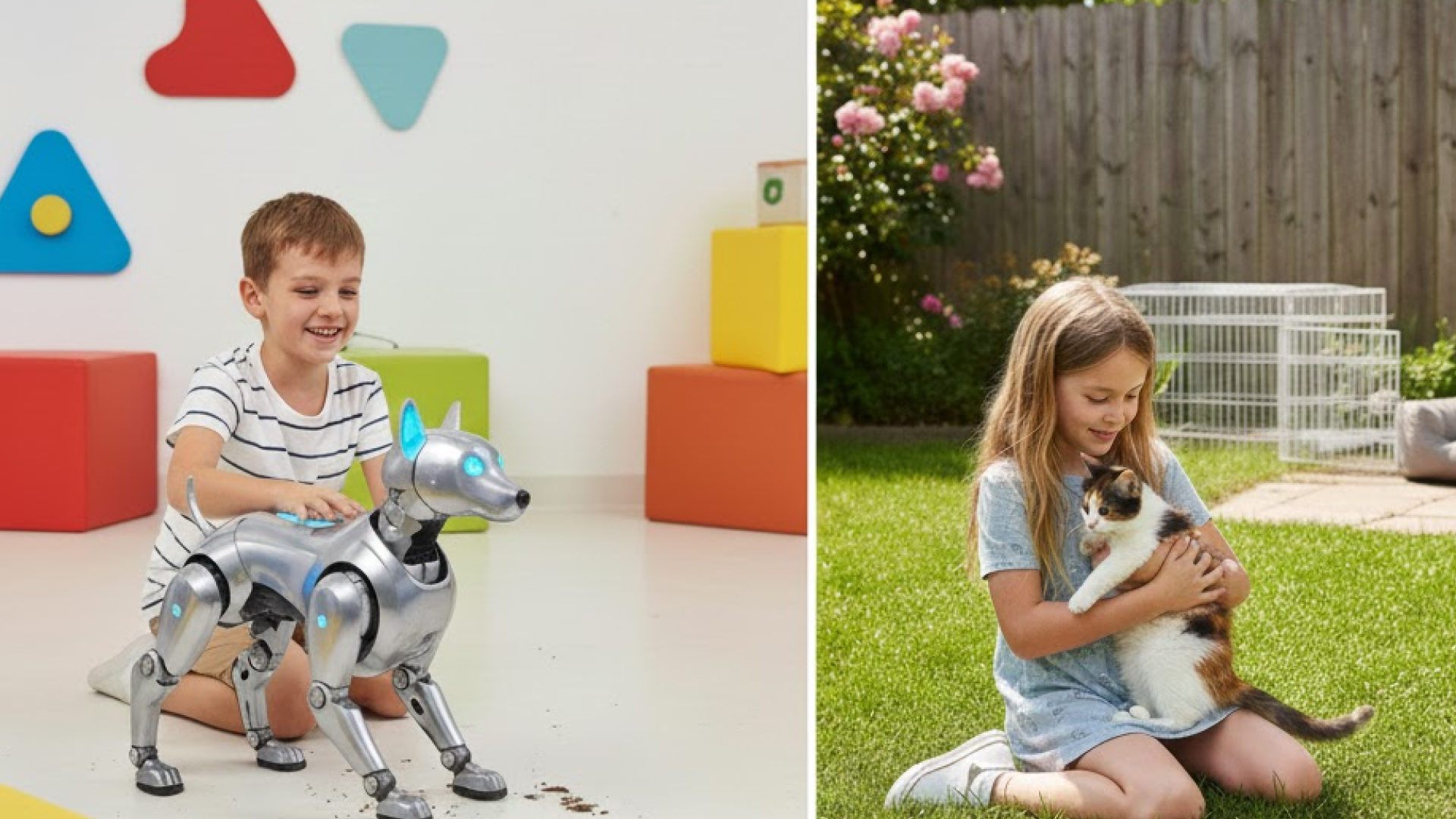
Real animals teach lessons that robots cannot replace, such as:
Long-term commitment
Deep emotional bonding
Coping with loss
Real-life unpredictability
However, robot pets for kids introduce responsibility in a manageable way. They help children practice care without overwhelming them.
Because of this, many parents see robot pets vs real pets as a journey, not a choice. Robot pets often become a first step before welcoming a real animal into the family.
Whenever technology enters a child’s life, trust matters.
Therefore, parents should always check:
Privacy and data policies
App permissions
Microphone or camera use
Age recommendations
Reputable brands design robot pets for kids with safety in mind. Still, parents play the most important role in setting boundaries and guiding interaction.
So, are robot pets for kids the future of parenting?
They are not replacing parents, real pets, or human relationships. However, they reflect how parenting is adapting to a digital world.
When used intentionally, robot pets for kids can support:
Emotional awareness
Responsible tech use
Learning through play
Confidence and routine
In other words, the future of parenting is not about avoiding technology. It is about using it wisely.
Yes. Most robot pets for kids are safe when parents follow age guidelines and supervise play.
No. Robot pets for kids offer a different experience focused on learning and emotional practice.
Yes. When guided properly, AI-powered pet robots can support emotional, social, and cognitive skills.
Many robot pets for toddlers support early interaction, sound recognition, and response skills.
Most robot pets for kids encourage physical interaction rather than passive screen use. Still, balance is important.