The classic tin can phone has been part of childhood for generations because it represents simple communication, curiosity, and hands-on play. Many parents still recognize the charm of this old-fashioned device, yet modern families often look for updated options that offer more features, more safety, and better communication for kids. This shift in needs has created growing interest in Tin Can Phone Alternatives, especially as families try to balance playful learning with healthy digital habits.
The original tin can phone is a simple acoustic device made from two cans connected by a string. Children enjoyed it because it turned sound into something magical, even though it worked through basic vibrations. The toy encouraged teamwork and helped kids explore communication in a hands-on way. Although the concept remains timeless, today’s families often seek tools that match modern routines and offer more flexibility than a physical string can provide.
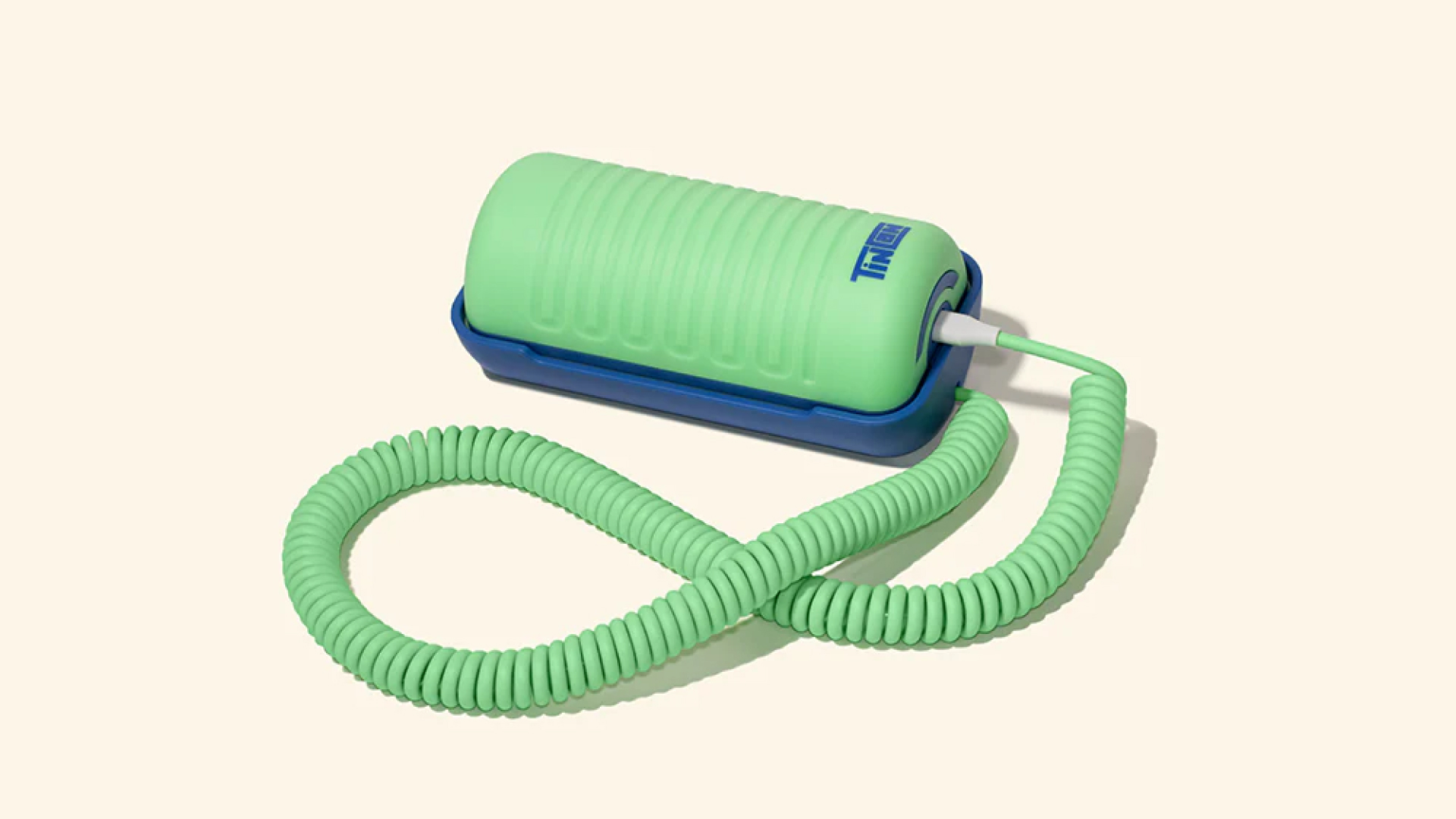
TinCan Kids presents a refreshed version of the classic acoustic toy and introduces it as a family-friendly communication tool with modern design sensibilities. The updated tin can phone uses safer materials, brighter colors, and thoughtful construction while preserving the original concept that makes the toy memorable.
This approach gives children an offline experience that stimulates creativity and real-world interaction. It also provides parents with a simple alternative to screen-based devices. TinCan Kids sits naturally within the growing category of kid-focused tech that supports learning, imagination, and family engagement. As families explore these updated toys, they often continue their search for Tin Can Phone Alternatives that offer more features and more control.
Parents search for alternatives for several reasons. Some want communication tools that work over longer distances. Others look for safer digital options that avoid open internet access. Many simply want devices that support today’s learning styles, daily routines, and safety expectations.
Because of this shift, the market now includes several child-focused devices that combine communication, protection, and independence in balanced ways.
Below are family-friendly communication tools that serve as practical upgrades while still keeping things simple and safe.
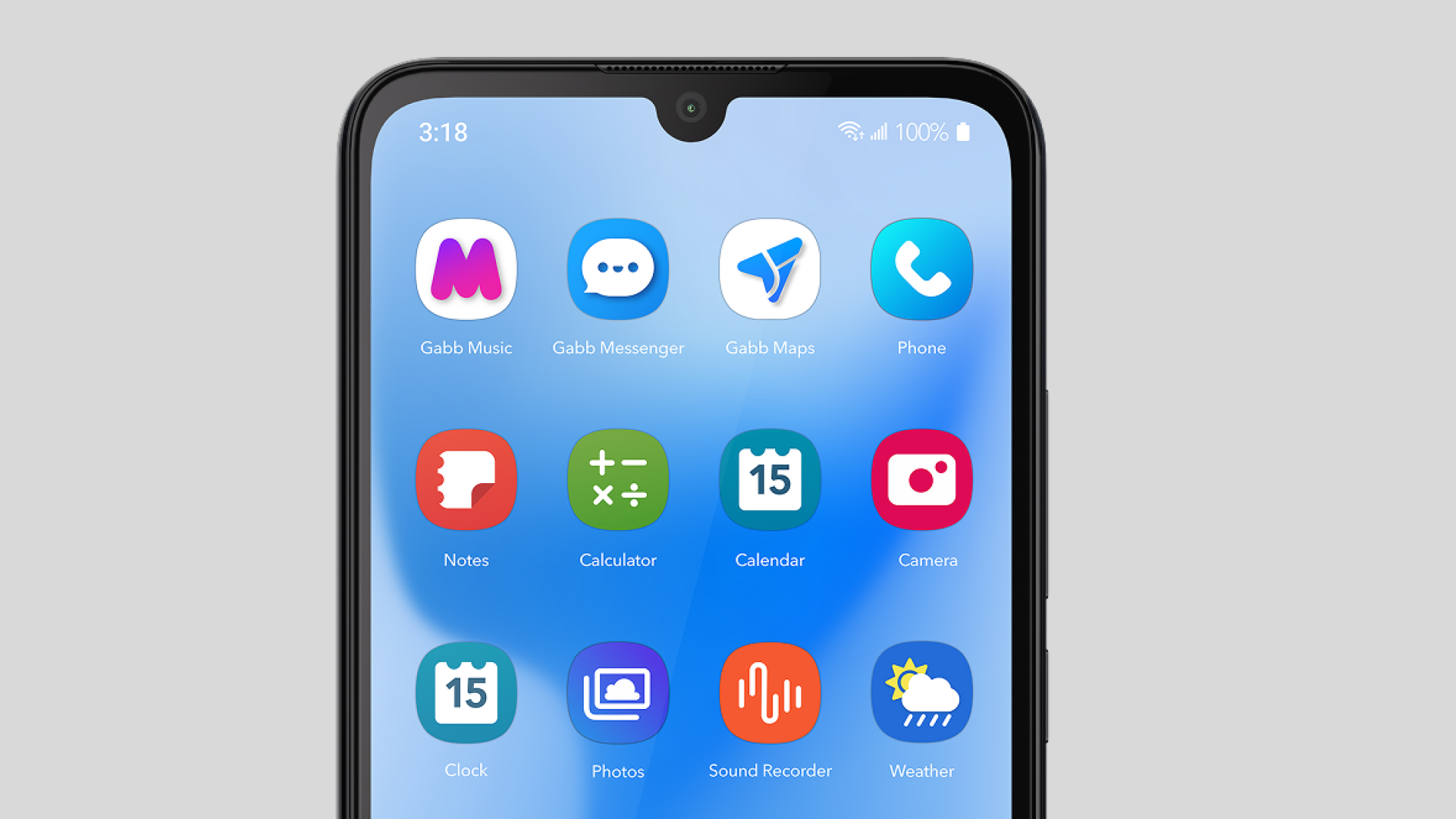
The Gabb Phone 4 gives children the ability to call and message without exposing them to social media, open browsing, or unnecessary apps. The device includes parental controls, GPS tracking, and a durable body, which makes it suitable for active kids. Families who want structured communication often choose this phone because it supports independence without removing safety boundaries.
Here are the key strengths of Gabb Phone 4:
– No unrestricted internet access
– No social media platforms
– Strong parental controls
– Durable build quality
– Clean, simple interface
– Ideal for ages 8–15
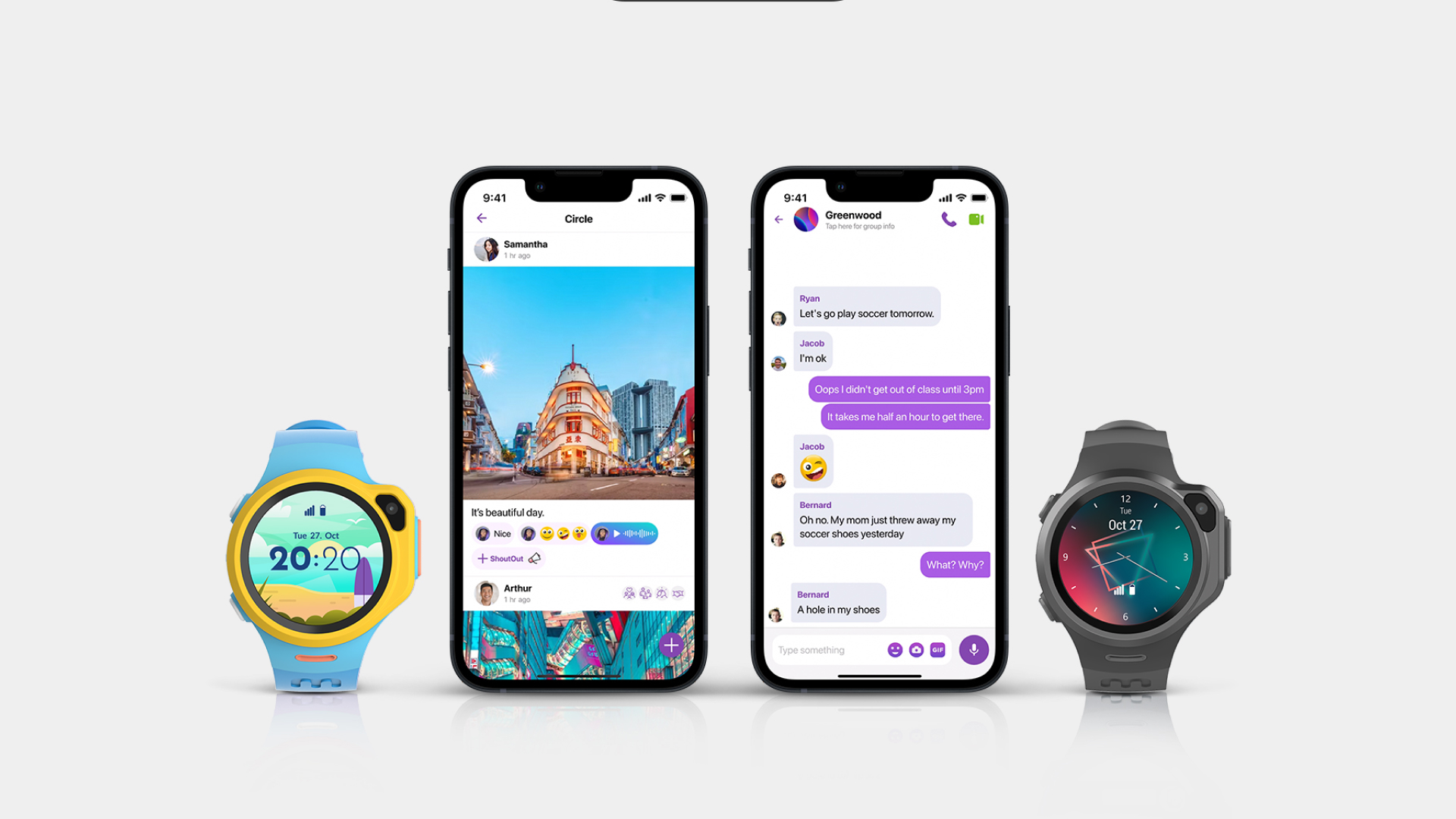
The myFirst Fone R1 functions as a wearable communication tool for younger children. It supports voice calls, video calls, real-time location tracking, and an emergency SOS feature. These functions help children stay connected during school, outdoor play, and family activities. Parents value the device because it offers communication and monitoring in a compact form that kids rarely misplace.
Here are the reason myFirst Fone R1 is good alternative for modern tin can phone:
– Voice and video calling
– GPS tracking
– SOS emergency button
– Controlled contact list
– Lightweight design for everyday wear
– Suitable for ages 5–12
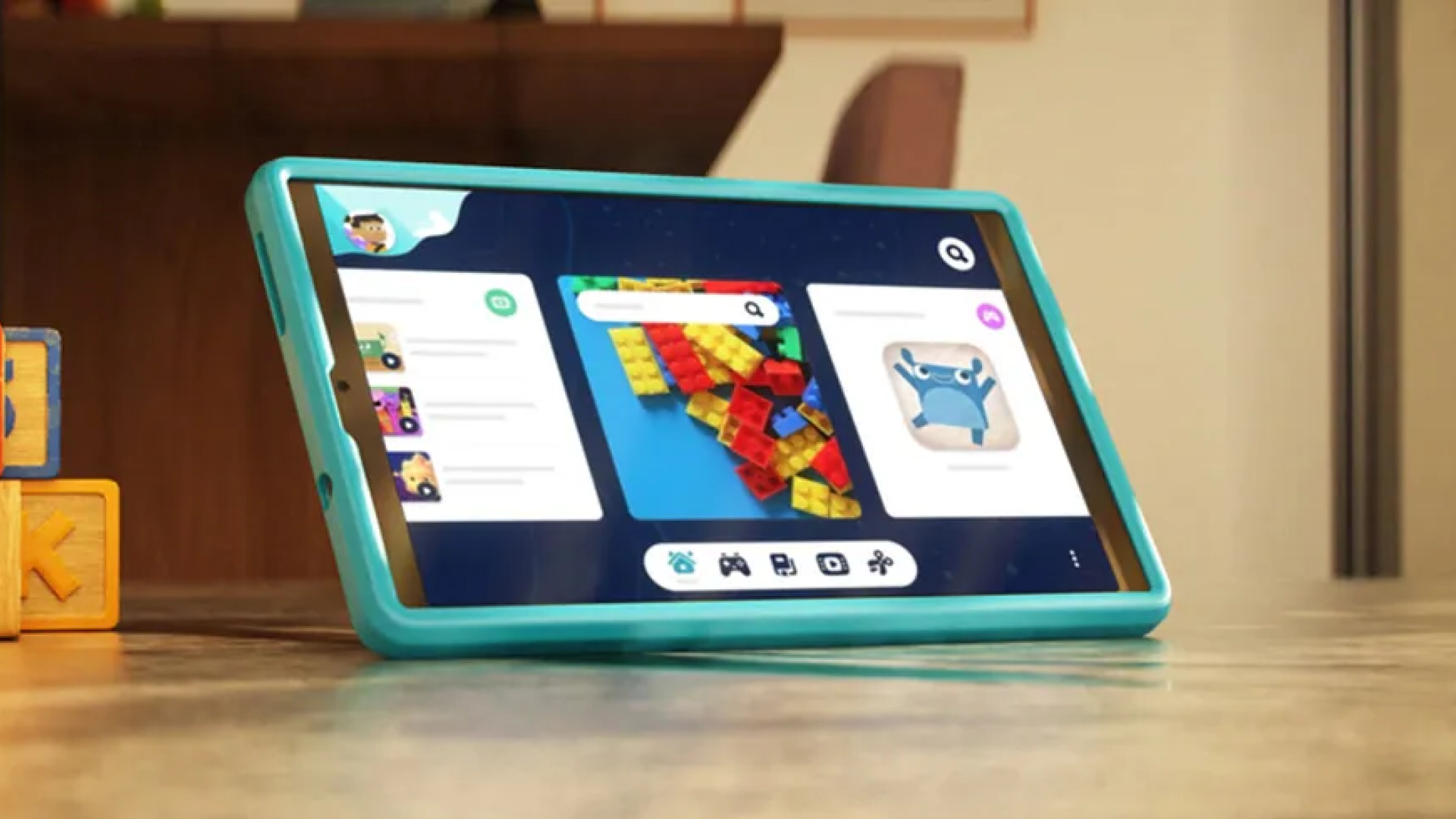
Many families also consider child-friendly tablets as broader communication tools. These tablets often come with parental dashboards, content filters, and durable designs. They support video calls, educational apps, and messaging within controlled environments.
Since tablets can be used for reading, drawing, and schoolwork, they complement other Tin Can Phone Alternatives by offering a flexible device for learning and monitored communication.
Check Top 5 Tablet for Kids in 2025 That Parents Can Trust here.
The classic tin can phone continues to hold nostalgic value because it encourages imagination and hands-on play. TinCan Kids builds on that tradition with a modern, family-friendly version that keeps communication simple and screen-free. At the same time, devices like the Gabb Phone 4 and the myFirst Fone R1 introduce features that support safety, practicality, and digital readiness for children who need more than basic play.
Each option serves a different purpose. Some families want a playful tool for creative communication, while others prefer devices with location tracking, parental controls, or structured calling. Exploring Tin Can Phone Alternatives helps parents understand the range of choices available, and it allows them to select the communication style that best fits their child’s age, lifestyle, and daily routines.