
Parenting in the digital age is like walking a tightrope. On one side, technology offers learning opportunities, creativity, and connectivity. On the other, it threatens attention spans, sleep patterns, and emotional resilience. The real challenge isn’t just managing screen time—it’s understanding how technology shapes childhood itself.
Children today don’t just use technology; they are immersed in it. From early touchscreen interactions to AI-driven content recommendations, their digital experience is curated by algorithms, not by their own curiosity. Without mindful parenting strategies, screens could become the primary source of entertainment, problem-solving, and even emotional regulation. The question isn’t whether kids should use technology, but whether they’re using it with intention.
Children are growing up in a world where patience is no longer necessary. Everything—entertainment, answers, friendships—is just a click away. But is this instant access costing them essential life skills?
Tech companies design apps and platforms to maximize engagement. The more time kids spend scrolling, the more profit these companies make. Notifications trigger dopamine spikes, and autoplay keeps them watching. Are we letting tech companies shape our children’s habits?
Without intervention and thoughtful parenting strategies, kids risk becoming passive consumers rather than active thinkers. They need guidance on how to use technology, not just how to enjoy it.
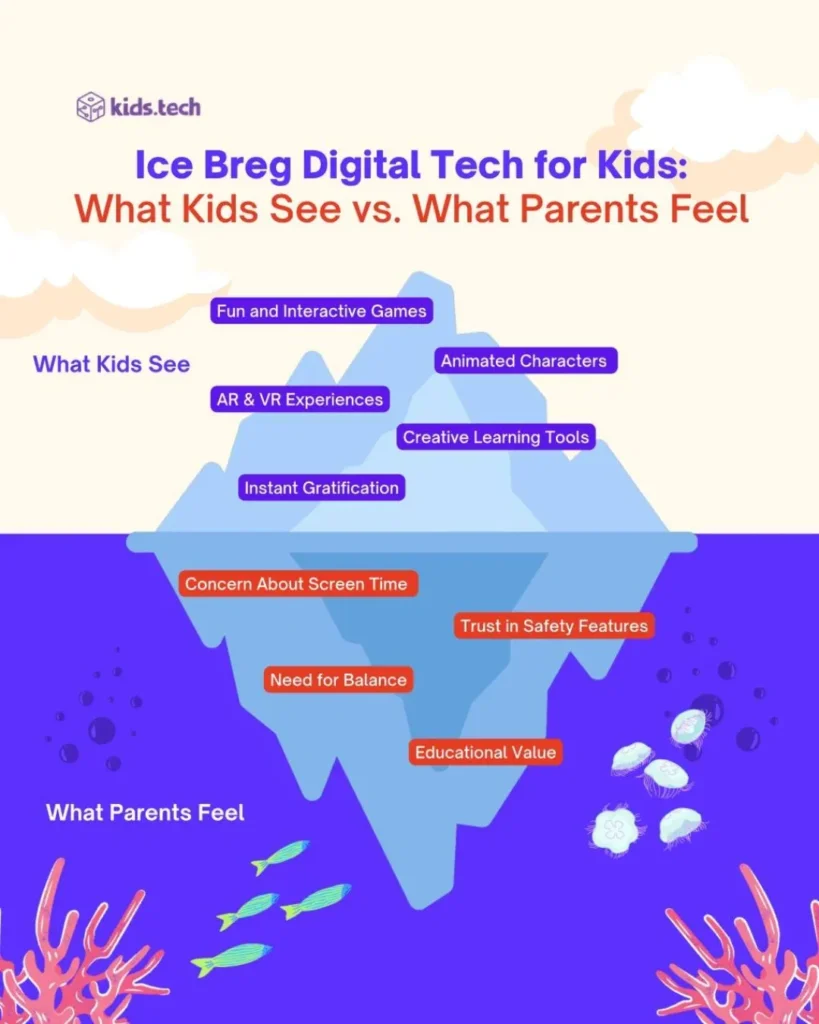
Many parents believe that educational apps and online courses are the perfect solution for modern learning. But the reality is more complicated. Does screen time always equal quality learning?
While some tools genuinely enhance education, others create an illusion of progress. Research shows that passive screen exposure can shorten attention spans and reduce comprehension skills. A child swiping through a flashy learning app may not absorb information as effectively as one engaging in hands-on activities. Not all screen time is created equal, and parenting strategies must differentiate between productive and passive use.
Encourage Hands-On Learning
Reading, experimenting, and outdoor play offer deeper cognitive engagement.
Teach Critical Thinking
Help kids question the content they consume and understand digital influence.
Promote Creative Tech Use
Coding, digital art, and music production offer active engagement rather than passive consumption.
Ever wondered why kids throw tantrums when screens are taken away? It’s not just bad behavior—it’s neuroscience. Technology is built to be addictive.
Every game reward, social media like, and autoplay feature is designed to release dopamine—the same brain chemical associated with addiction. Over time, children crave instant digital rewards rather than developing patience and resilience. Are we raising kids who expect life to be as fast and stimulating as their screens?
Encourage Delayed Gratification
Introduce challenges that require patience and problem-solving.
Allow “Boredom Time”
Creativity thrives when kids learn to entertain themselves without screens.
Limit Stimulating Content Before Bed
Excessive screen exposure can disrupt sleep and emotional regulation.
Online interactions are easy, but do they build real relationships? Many kids now spend more time chatting in virtual worlds than engaging in face-to-face conversations. Are we raising a generation that struggles with human connection?
Screens can’t teach empathy, body language, or deep conversations. Kids who rely on digital communication may struggle with real-world social skills. The ability to build meaningful relationships offline is just as important as digital literacy.
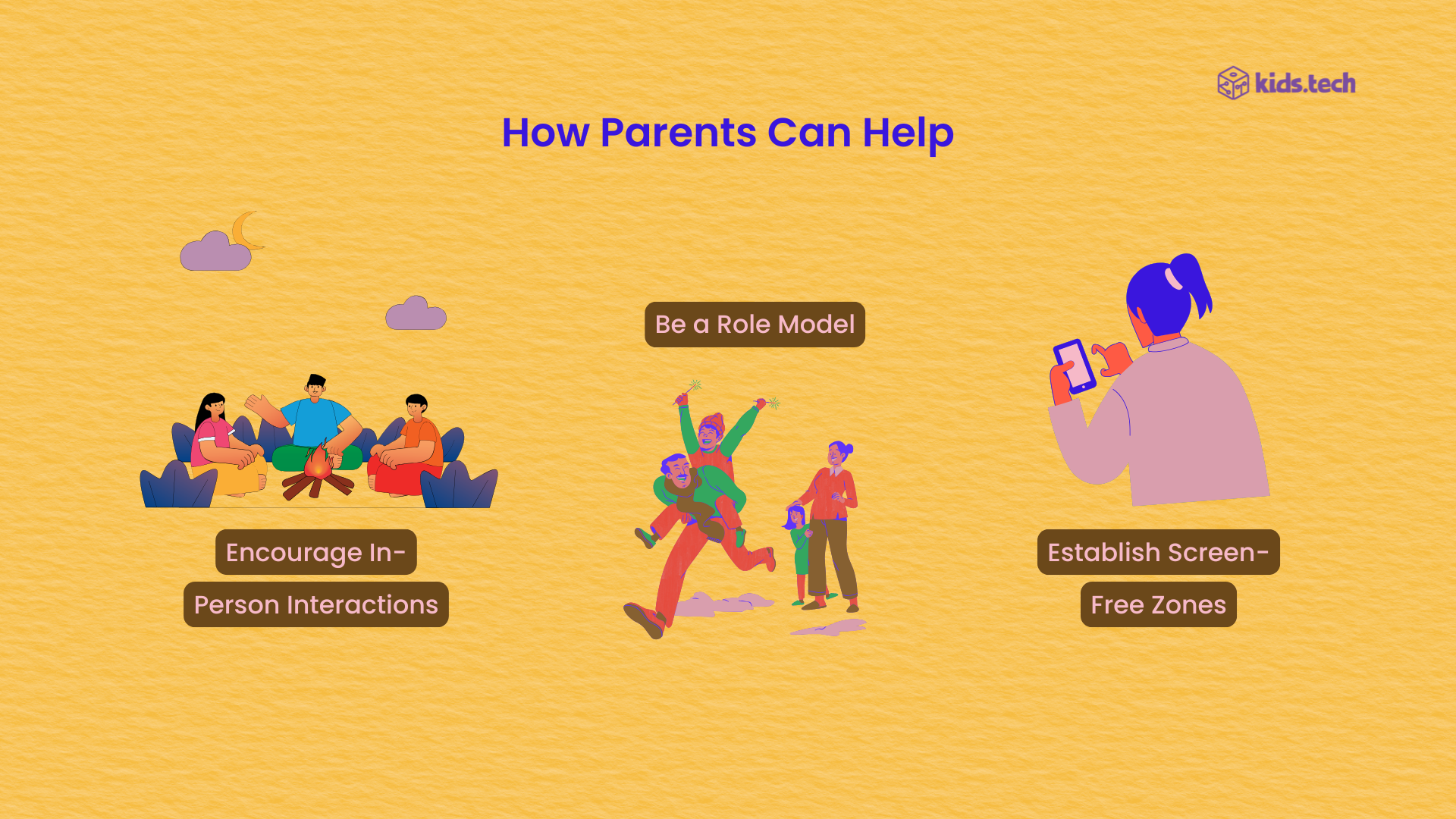
Technology is here to stay. The goal isn’t to eliminate it—it’s to teach kids how to use it wisely. Are we equipping them with the skills to navigate the digital world responsibly?
Future-proof parenting strategies mean:
Teaching Digital Literacy – Kids need to recognize misinformation, understand privacy risks, and navigate online spaces safely.
Encouraging Purposeful Tech Use – Tools for learning and creativity should take precedence over mindless entertainment.
Setting Boundaries Early – Healthy tech habits start young and last into adulthood.
By implementing effective parenting strategies, parents can balance their child’s relationship with technology while ensuring healthy cognitive and emotional development. Technology should empower kids, not control them. By guiding rather than restricting, we can raise a generation that thrives in a digital world—without losing touch with reality.