Raising capable and confident children involves more than helping them succeed in school. While academic knowledge is important, children also need practical abilities that help them navigate everyday situations.
This is where life skills for children become essential.
Life skills include the abilities children use to solve problems, communicate with others, manage emotions, and take responsibility for their actions. These skills help children grow into independent individuals who can make thoughtful decisions and adapt to challenges.
The encouraging part is that teaching life skills for children does not require complicated lessons. Most of these skills are learned through daily routines, conversations, and real-life experiences at home.
Below are important life skills parents can start teaching, along with examples based on different stages of childhood.
Developing essential life skills for kids helps children build confidence and independence from an early age.
Children who practice life skills often learn how to:
make decisions independently
communicate their thoughts clearly
manage frustration and emotions
solve everyday problems
These abilities play an important role in child development, influencing how children approach friendships, school challenges, and responsibilities later in life.
When parents intentionally teach these skills, they help children build a strong foundation for adulthood.
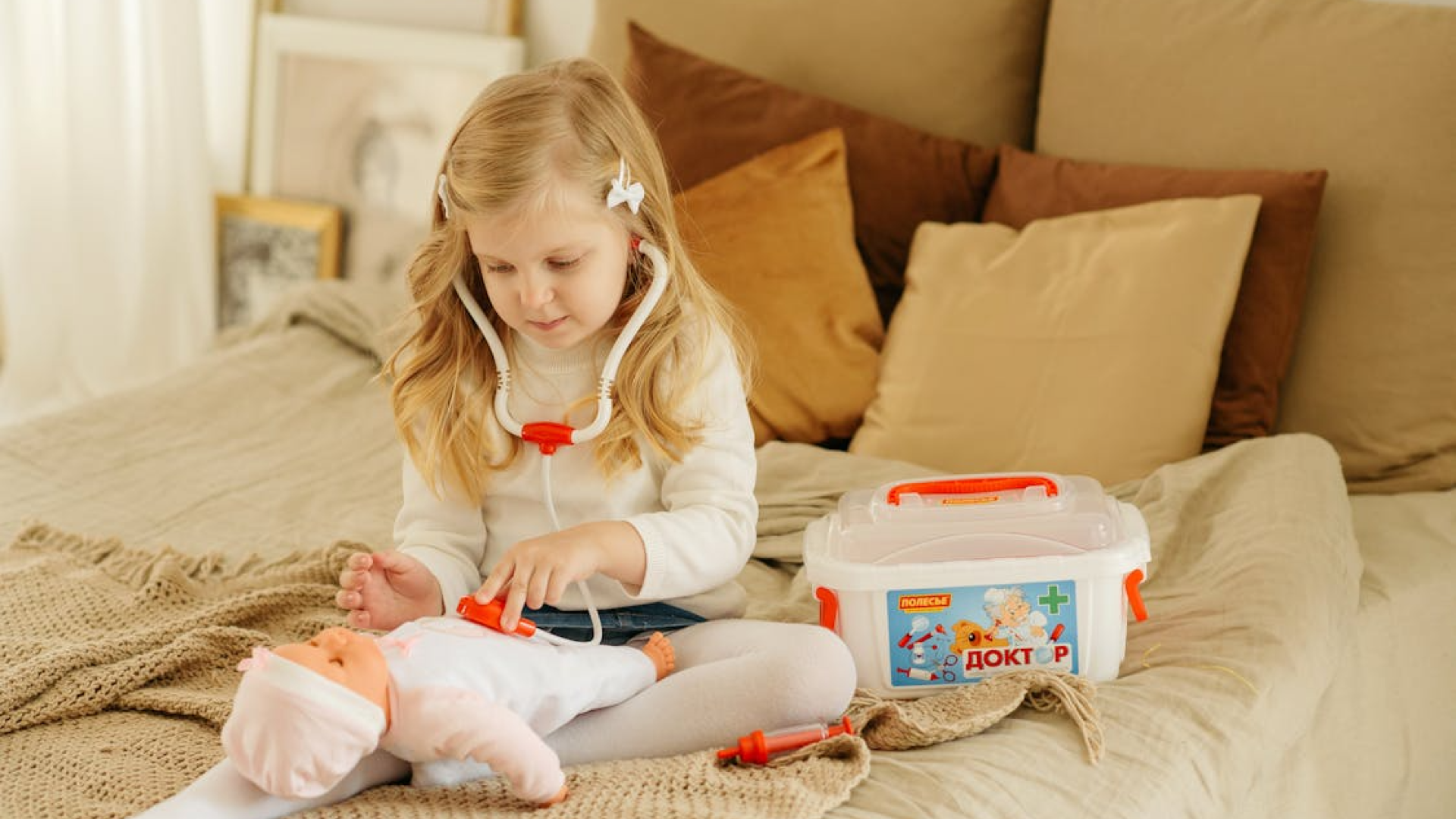
Early childhood is the perfect time to introduce simple life skills for children. At this age, learning often happens through play and everyday routines.
Young children enjoy feeling capable and helpful. Giving them small tasks encourages independence and responsibility.
Parents can support this by allowing children to:
put toys away after playing
help set the table
choose their own clothes
These simple activities teach children that they can contribute and take responsibility for their environment.
Learning to recognize emotions is another important life skill for children.
Parents can help children identify feelings such as happiness, frustration, or sadness. Simple conversations like “You look upset, do you want to talk about it?” help children understand their emotions.
Over time, children learn that feelings are normal and manageable.
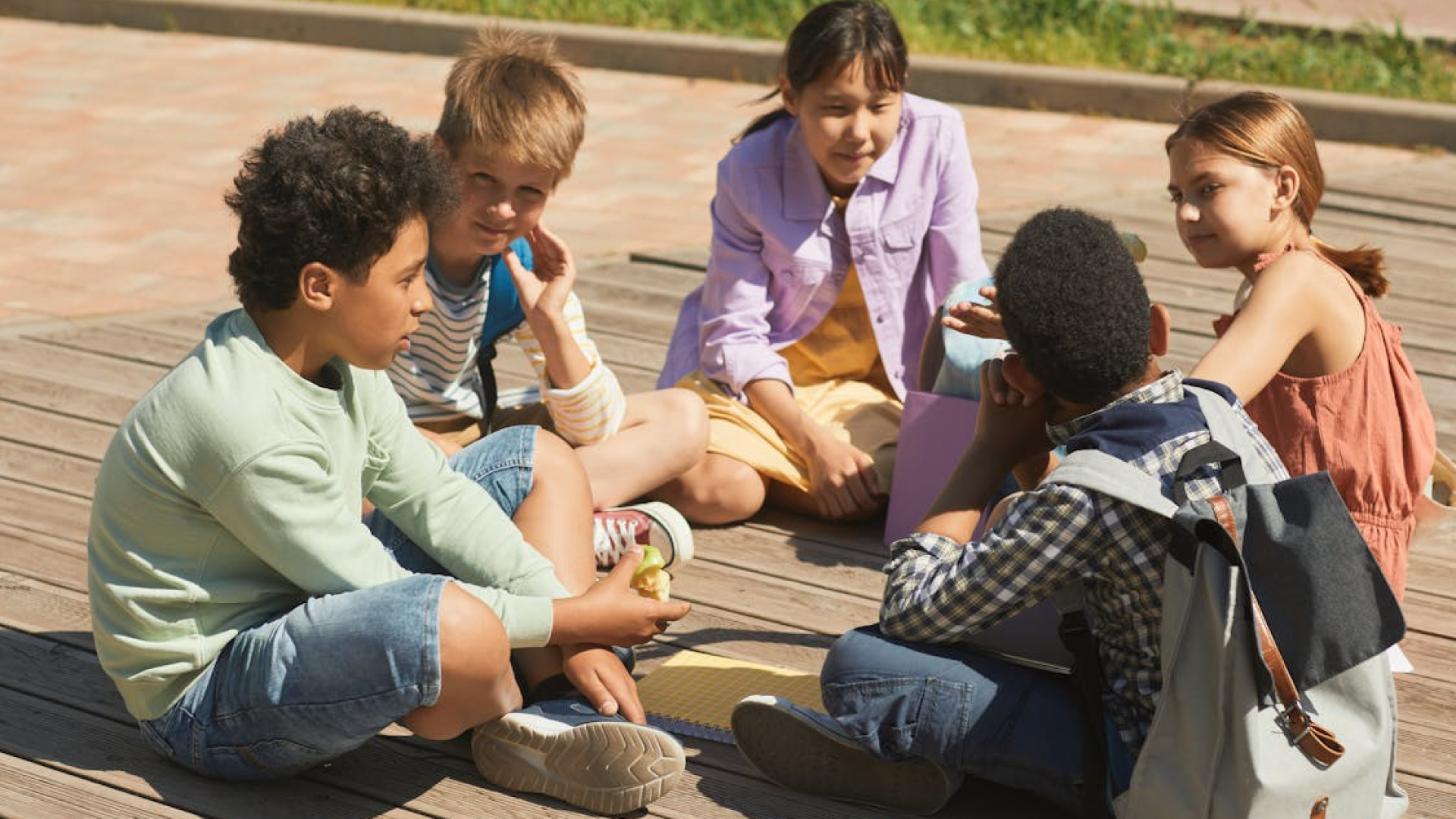
As children grow older, they begin interacting more with teachers, classmates, and friends. This stage is ideal for strengthening communication skills and problem-solving abilities.
Problem solving is one of the most valuable life skills for children because it teaches them how to approach challenges independently.
Instead of immediately providing answers, parents can guide children by asking questions such as:
“What do you think might work?”
“What could you try next time?”
This approach encourages critical thinking and confidence.
Clear communication helps children build strong relationships and express their thoughts effectively.
Parents can support communication skills by:
encouraging open conversations at home
teaching children to listen carefully
helping them express opinions respectfully
These habits help children feel confident sharing ideas and interacting with others.
Children between nine and twelve are ready to develop more practical life skills for children that prepare them for adolescence.
At this stage, children can begin managing parts of their daily routine.
Parents can encourage responsibility by letting children:
organize homework schedules
track school assignments
complete regular household chores
These experiences teach accountability and independence.
As social environments become more complex, children may face challenges with friendships, school pressure, or self-confidence.
Helping children develop resilience means teaching them how to:
reflect on mistakes
manage frustration
learn from setbacks
These emotional skills are essential for long-term personal growth.
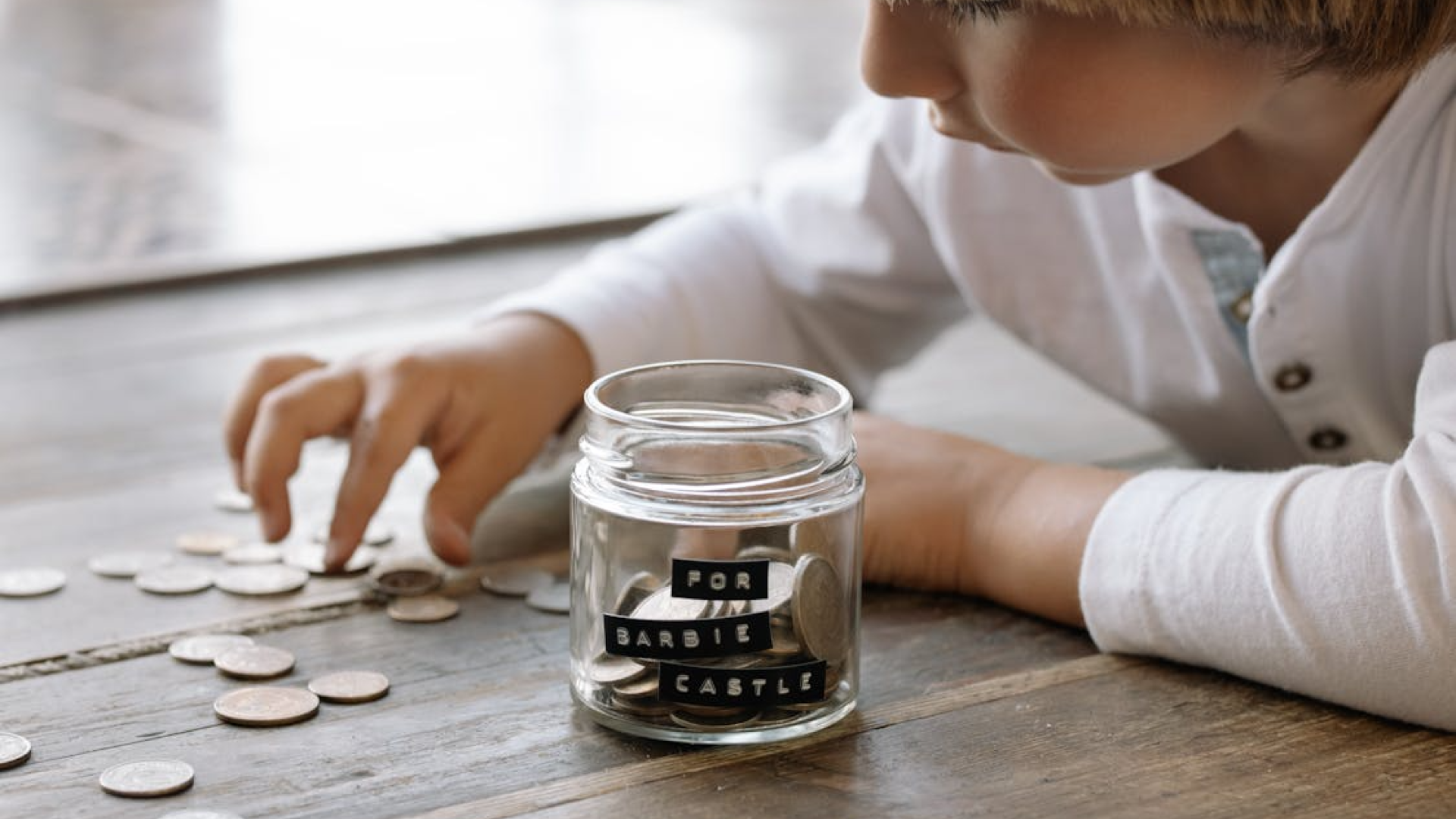
Financial awareness is another valuable life skill for children.
Parents can introduce simple money concepts by teaching children:
the difference between saving and spending
how to set small savings goals
how to make thoughtful spending choices
These early lessons help children develop responsible financial habits.
Many parents wonder how to effectively teach life skills for children in everyday life.
In reality, the most effective lessons often happen through daily experiences.
Parents can support life skill development by:
involving children in household activities
encouraging questions and curiosity
allowing children to make age-appropriate decisions
guiding children through mistakes instead of solving every problem
These everyday interactions help children gain confidence and practical knowledge.
Teaching life skills for children is one of the most valuable ways parents can support their child’s growth.
While academic learning is important, abilities such as communication, emotional intelligence, and responsibility shape how children interact with the world.
By gradually introducing these skills through everyday experiences, parents help children develop the confidence and independence they need for the future.
Life skills for children are practical abilities that help kids manage everyday situations. These include communication, problem solving, emotional regulation, responsibility, and decision-making.
Life skills help children become more independent, confident, and capable. They allow children to handle challenges, build relationships, and make thoughtful decisions as they grow.
Children can begin learning life skills as early as preschool. Simple tasks like cleaning up toys or expressing feelings help build foundational skills that develop over time.
Examples include communication skills, emotional awareness, problem-solving ability, time management, and financial responsibility.
Parents can teach life skills by involving children in everyday activities, encouraging problem solving, modeling positive behavior, and guiding children through real-life situations.