Looking for ways to keep your kids entertained while encouraging a love for learning? Science experiments for kids are the perfect solution! These hands-on activities combine fun with education, helping children explore fundamental scientific concepts in a simple, engaging way. Whether it’s chemistry, physics, or static electricity, these experiments are guaranteed to inspire young minds and turn your home into a mini science lab.
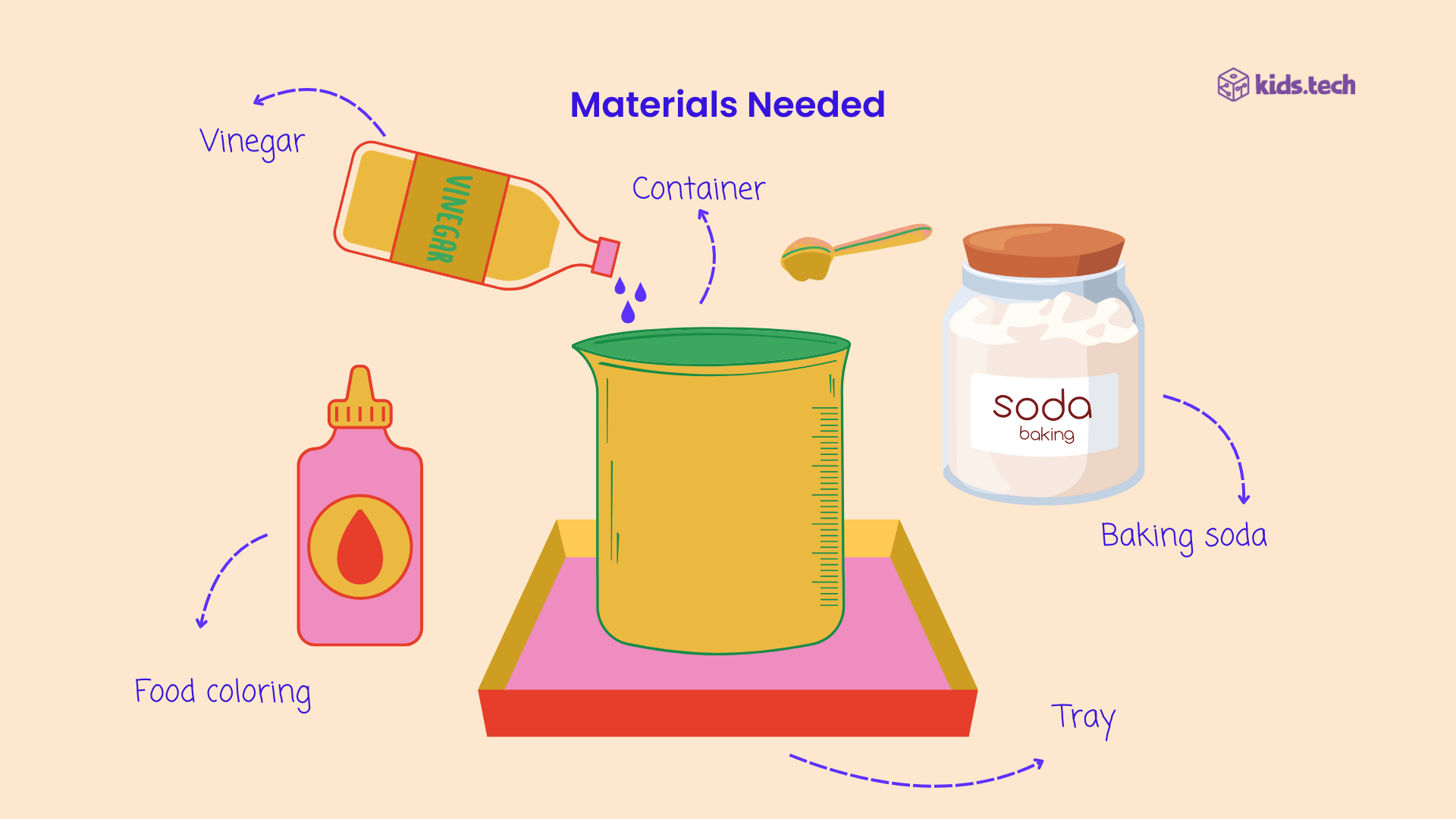
1. Place the container on a tray to catch the overflow.
2. Add a few spoonfuls of baking soda to the container.
3. Add a few drops of food coloring for a colorful effect.
3. Slowly pour vinegar into the container and watch the “lava” erupt.
This experiment demonstrates an acid-base reaction. Baking soda (sodium bicarbonate) reacts with vinegar (acetic acid) to produce carbon dioxide gas (CO2). The gas bubbles create foam, mimicking a volcanic eruption.
Chemical reactions like this occur all around us, from baking a cake to the fizz in soda. This activity helps kids connect science to their everyday lives.
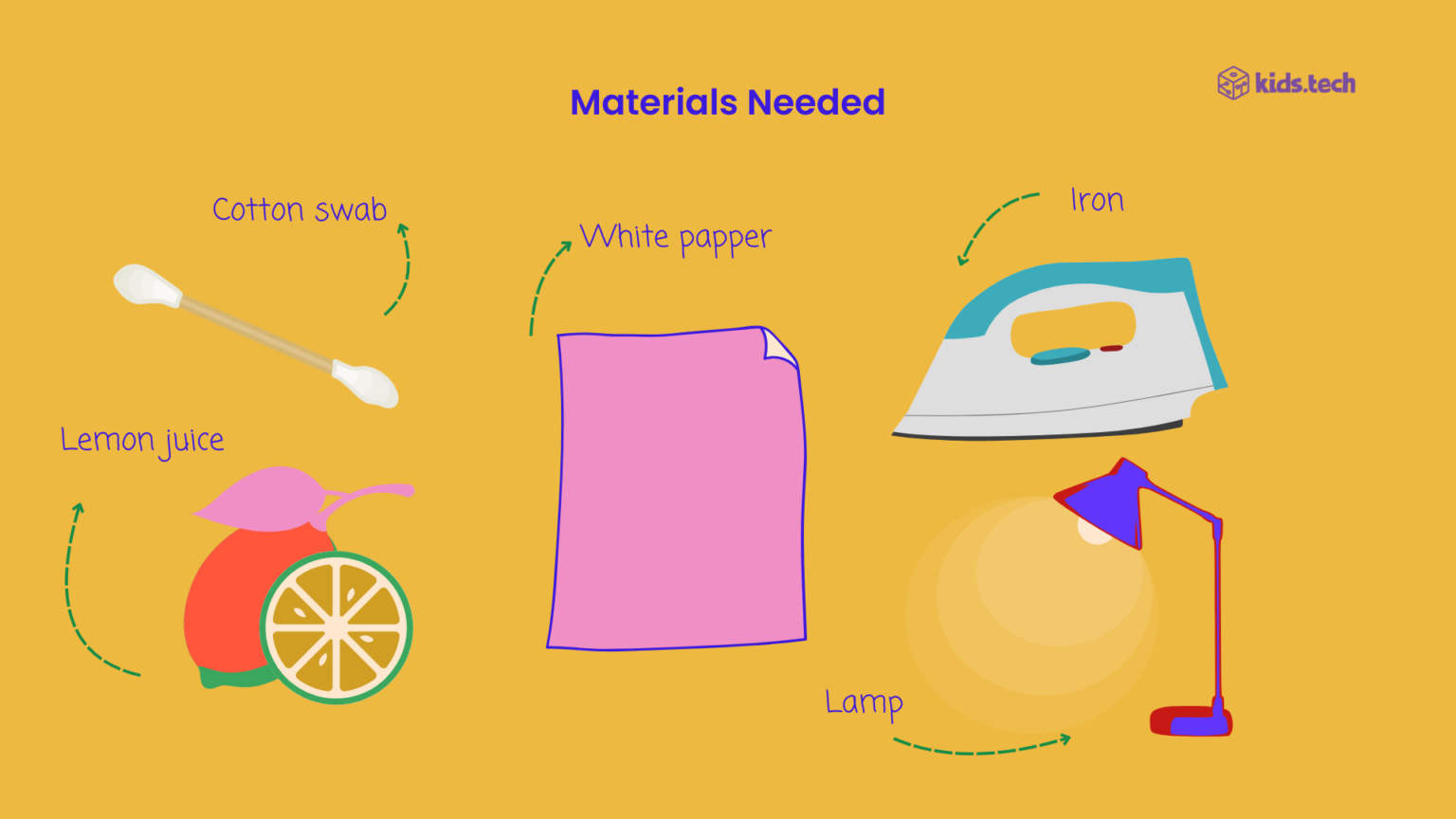
1. Dip the cotton swab in lemon juice and write a message on the paper.
2. Allow the paper to dry completely.
3. Heat the paper gently with an iron or lamp to reveal the hidden message.
When lemon juice is heated, the carbon compounds in it oxidize, causing the writing to turn brown. This simple experiment introduces the concept of oxidation and temperature’s impact on chemical reactions.
Invisible inks were once used in espionage. Kids learn how science can be practical and even a bit mysterious!
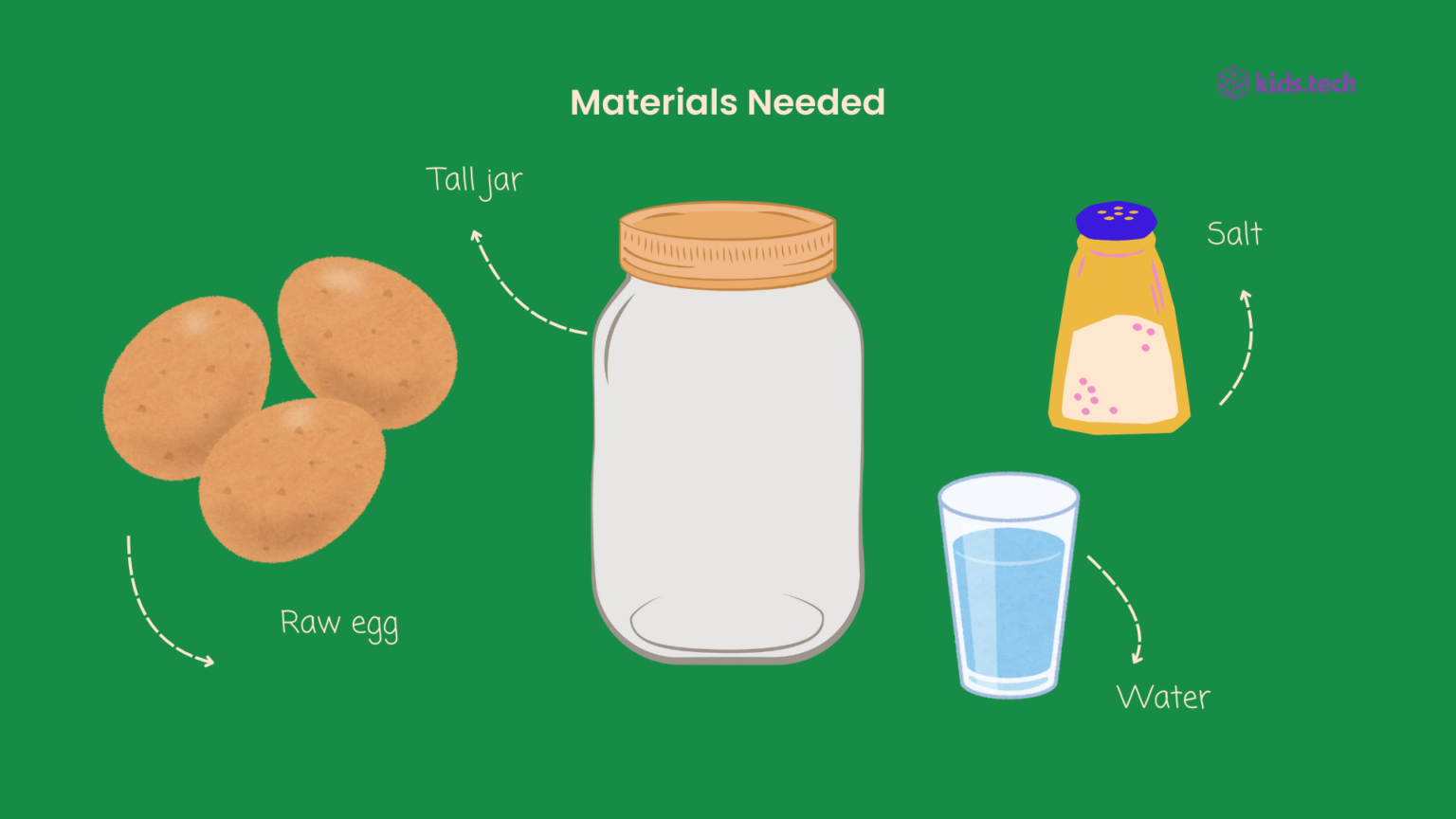
1. Fill the glass with water and place the egg inside—it will sink.
2. Remove the egg, add a few tablespoons of salt to the water, and stir until dissolved.
3. Place the egg back in the water and watch it float.
Adding salt increases the water’s density. When the water becomes denser than the egg, the egg floats. This simple activity demonstrates buoyancy, a core concept in physics.
This principle explains how large ships float on the ocean and how submarines adjust their depth. It’s a fun way for kids to understand density in action.
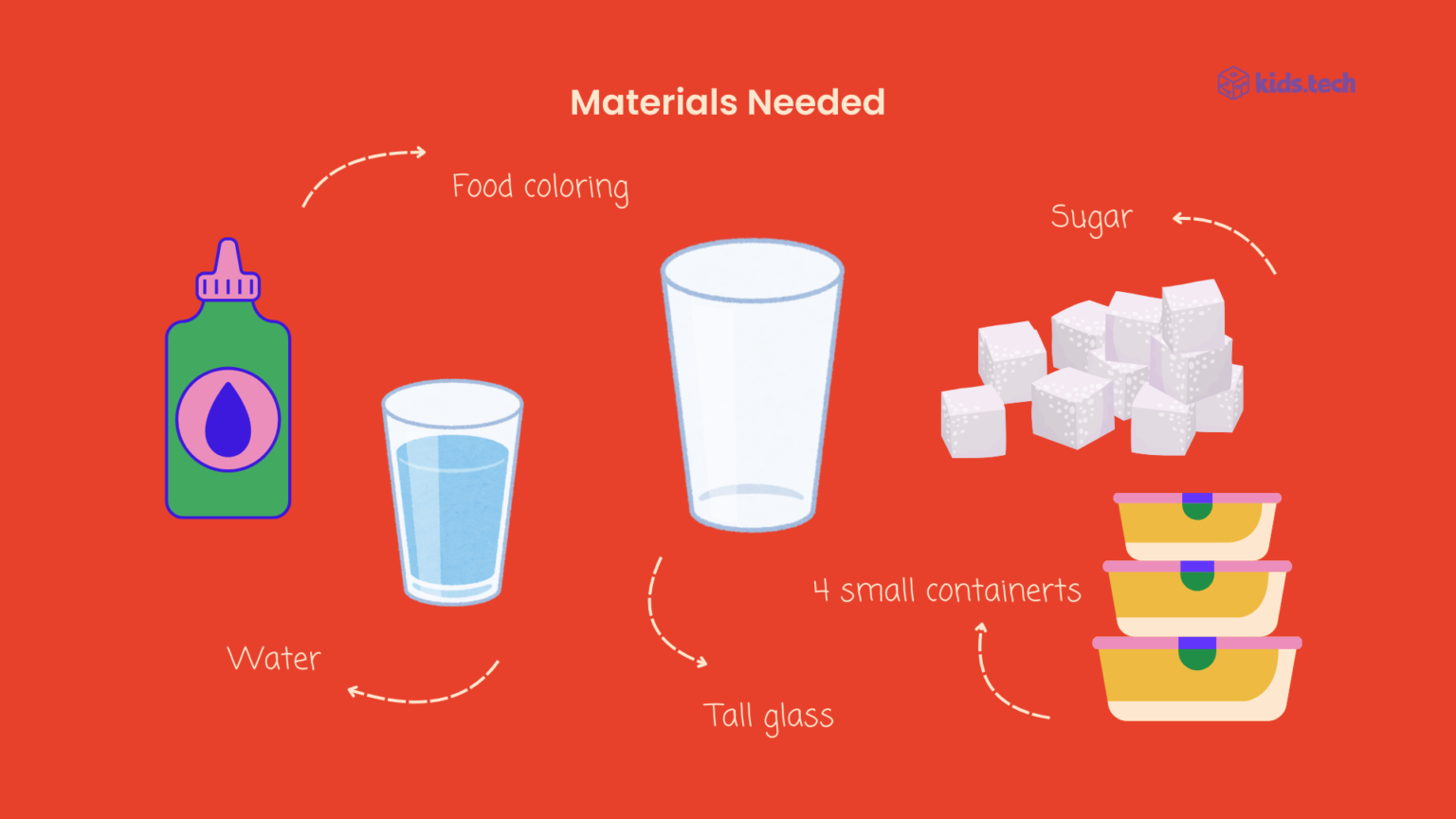
1. Prepare sugar-water solutions with different amounts of sugar in each container. Add food coloring to each solution.
2. Starting with the most dense solution, carefully layer the liquids into the tall glass to create a rainbow
Different sugar concentrations result in solutions with varying densities. These layers stay separated, creating a colorful rainbow.
Density plays a role in many fields, from oceanography to cooking. This experiment is an easy introduction to how density works in real life.
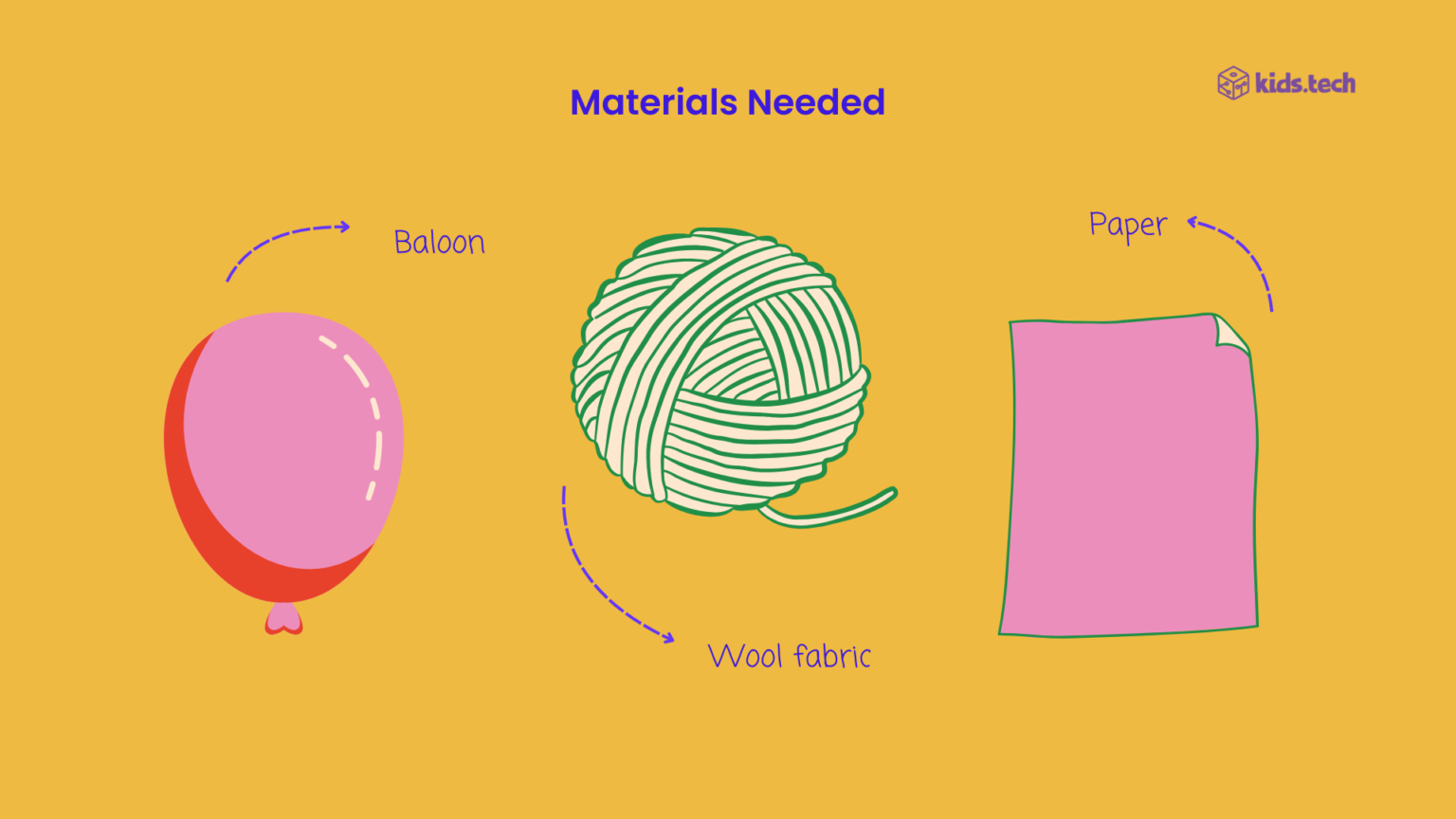
1. Inflate the balloon and tie it off.
2. Rub the balloon on wool fabric or your hair for a few seconds.
3. Hold the balloon close to the paper pieces and watch them stick.
Rubbing the balloon transfers electrons, giving it a negative charge. This negative charge attracts the positive charges in the paper pieces, demonstrating static electricity.
Static electricity is part of everyday life, from the shocks you feel when touching a doorknob to the way clothes stick together in the dryer.
Science experiments for kids are more than just fun activities—they’re tools to develop problem-solving skills, foster creativity, and build a foundation in STEM (Science, Technology, Engineering, and Math). By engaging in hands-on activities, children learn to observe, hypothesize, and draw conclusions, skills that are critical for success in school and beyond.
Trying out these science experiments for kids is a fantastic way to spark curiosity and inspire young minds. From learning about chemical reactions to exploring static electricity, each experiment combines fun with education, encouraging critical thinking and discovery.
So, gather your materials and let your child experience the magic of science firsthand. Who knows? You might just inspire the next great scientist!