In many households, it’s become a common practice to let toddlers watch YouTube during mealtimes. Whether it’s to distract a picky eater or calm down a restless child, the convenience of screens during meals is undeniable. However, while there are short-term benefits, the long-term consequences on a child’s eating habits and overall development warrant deeper consideration.
For many parents, YouTube offers a quick solution to make mealtimes easier. Here’s why:
Distraction from Hunger Cues: Screens can captivate children who might otherwise refuse to eat, making it easier for parents to ensure that meals are consumed without a fight.
Calming Effect: Familiar videos or favorite cartoons create a sense of routine, reducing tantrums and promoting a more peaceful atmosphere at the dining table.
However, while these immediate benefits are appealing, they may inadvertently mask deeper issues, such as a child’s natural aversion to certain foods or their disinterest in mealtime.
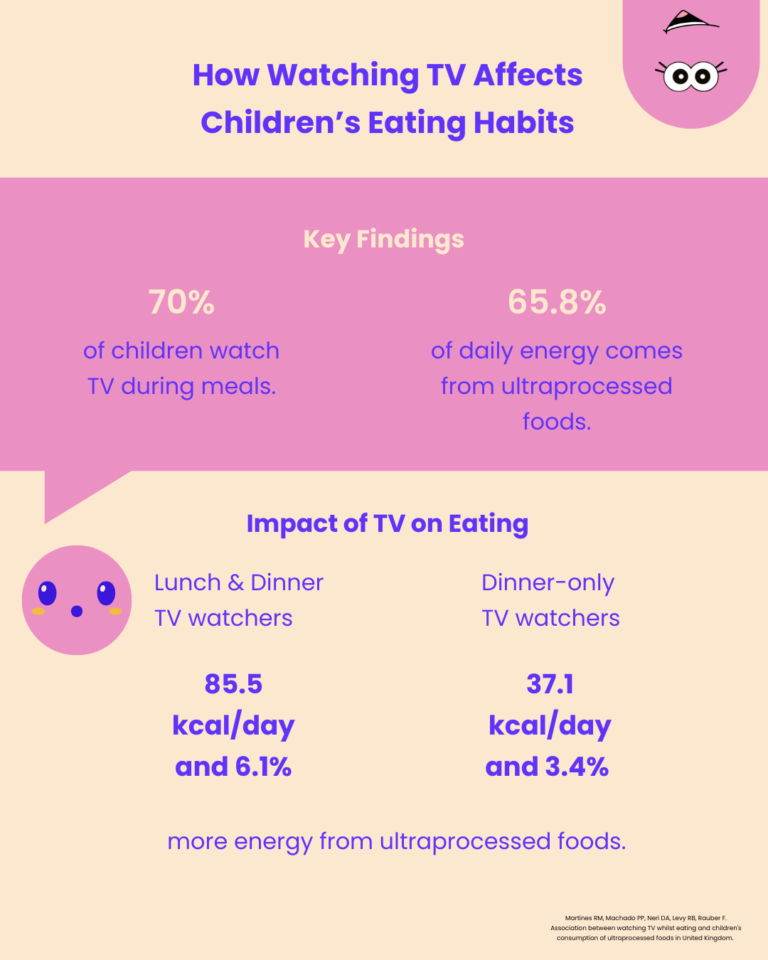
Despite the short-term convenience, there are several long-term risks associated with watching YouTube during meals, particularly when it comes to how toddlers develop their relationship with food:
Mindless Eating Habits: When children are engrossed in screens, they often fail to pay attention to their body’s natural hunger and fullness cues. This lack of mindfulness can lead to overeating, undereating, or poor food choices, potentially contributing to weight issues or nutritional imbalances.
Reduced Sensory Engagement: Eating while distracted by a screen takes away from a child’s ability to engage with the sensory experience of food. Over time, this disconnect from the flavors, textures, and smells of meals can make eating less enjoyable, and may even discourage toddlers from trying new foods.
Challenges with Social Eating: Relying on screens during meals can also interfere with the development of essential social dining skills. Toddlers may struggle when dining in social settings like schools or restaurants, where screens aren’t available, and the expectation is to engage with others instead.
While letting toddlers watch YouTube during meals may offer short-term relief for parents dealing with picky eaters or tantrums, it comes with significant long-term consequences. These include the development of mindless eating habits, reduced sensory engagement with food, and struggles with social eating in different environments.
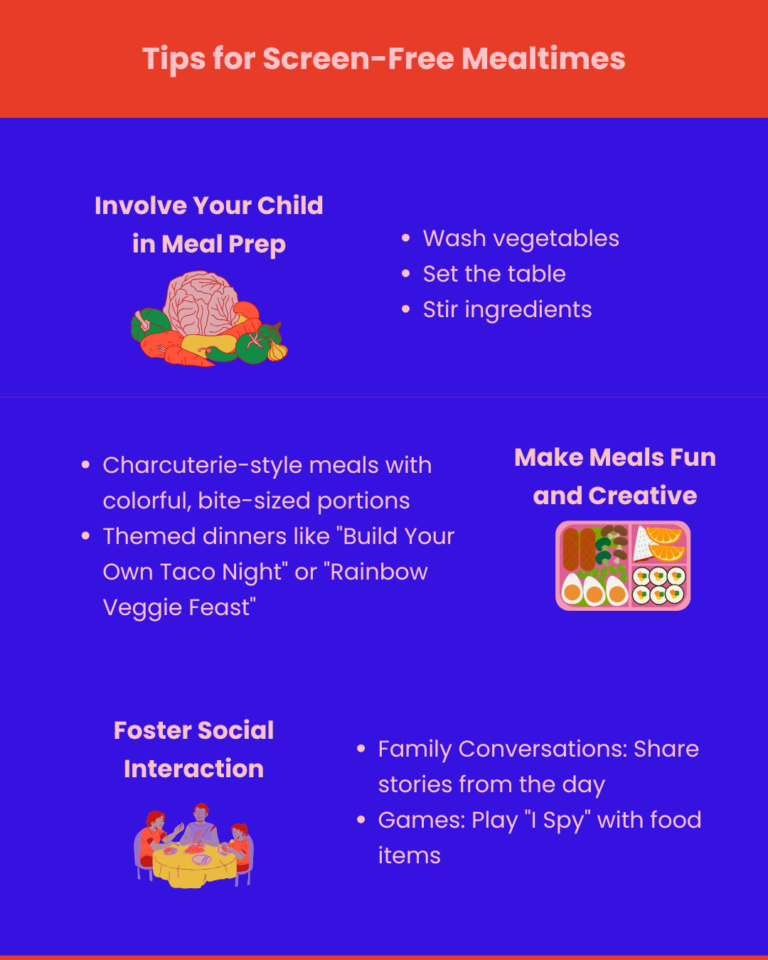
By fostering screen-free mealtimes through interactive meal preparation, creative meal presentation, and social activities, parents can help their toddlers develop healthier eating habits and a better relationship with food.
Prioritizing these strategies will not only reduce screen dependence but will also lay the foundation for positive eating habits that support your child’s long-term growth and well-being.