Roblox, the immensely popular online gaming platform, is making significant changes to protect its youngest users. Starting November 18, Roblox is banning kids under 13 from social hangout games—a move aimed at reducing potential risks in unregulated virtual spaces. By December 3, stricter age-related restrictions will also roll out across the platform, limiting access and communication options for players under 13.
For parents, these updates raise important questions: Why is Roblox taking this step, and what does it mean for your child’s gaming experience? Here’s what you need to know.
Roblox’s popularity with children is undeniable, with nearly 40% of its daily users being under 13. However, the platform has faced severe criticism for failing to prevent inappropriate activities in certain gaming environments. Reports have highlighted that some “hangout” spaces—designed for chatting, calling, or creating user-generated content—have been misused by predators to groom children.
Since 2018, at least a dozen arrests in the U.S. have been linked to cases of child abuse that began on Roblox. In light of these alarming incidents, the company is introducing stricter controls to safeguard its youngest players.
Starting November 18, social hangout games will no longer be accessible to users under 13. These games, which focus on social interaction or free-form content creation, pose potential safety risks and are being restricted to older audiences.
However, it’s important to note that not all interactive games are off-limits. Role-playing and simulation games with defined rules and objectives will still be available for younger players. This distinction allows children to enjoy creative experiences while avoiding unsupervised social interactions.
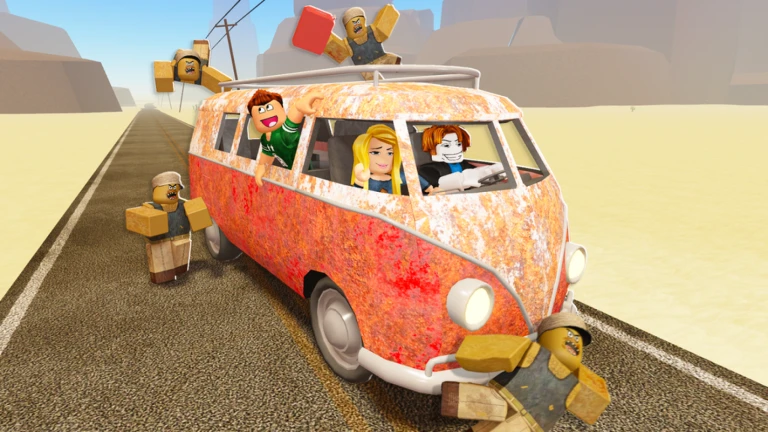
Roblox is also implementing new communication rules to limit private interactions for under-13 users. They will no longer be able to:
– Message others outside of games or experiences.
– Use direct messaging within the platform.
Instead, younger players will be limited to public broadcast messages within games, ensuring more transparent communication.
To further ensure safety, Roblox is requiring game creators to categorize their content through detailed questionnaires. Games must now be properly rated, with thumbnails, titles, and descriptions that are appropriate for all age groups.
For many parents, these changes are a step in the right direction. Online platforms like Roblox have long been criticized for inadequate safeguards against exploitation and exposure to inappropriate content. Social hangout spaces, in particular, have been flagged as risky environments where minors could be vulnerable to harmful interactions.
By restricting access and improving content regulation, Roblox banning kids under 13 from social hangout games aims to minimize these risks and reassure parents.
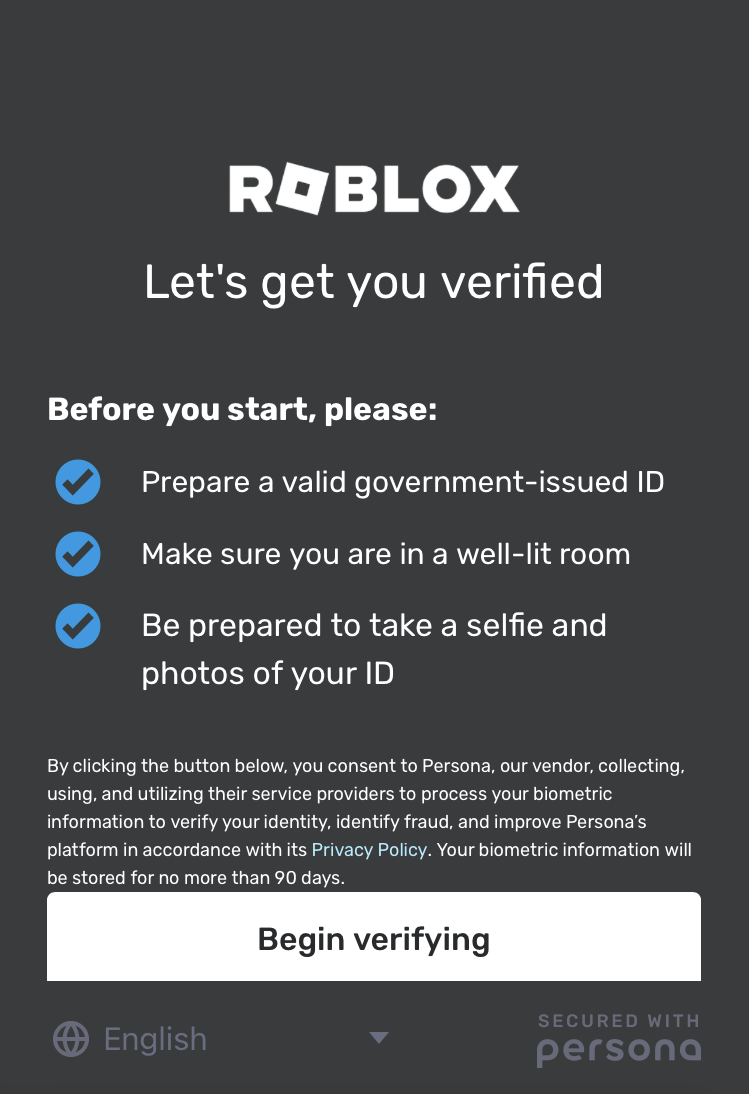
In addition to restrictions for younger users, Roblox is introducing an age-verification system. Partnering with ID firm Persona, the platform will allow users over 13 to verify their age using government-issued IDs. Verified users will gain access to more diverse and advanced experiences, ensuring that older players can still enjoy the platform without compromising safety.
For parents of children under 13, these updates are a chance to review your child’s gaming habits and encourage safe online behavior. While Roblox is taking bold steps to improve safety, it’s still essential to stay involved and monitor your child’s activities on the platform. Here are some tips to navigate these changes:
Explain why Roblox is introducing these restrictions and how they’re meant to protect younger players.
Use this opportunity to explore age-appropriate games with your child, fostering a shared understanding of what’s safe and enjoyable.
Encourage your child to avoid sharing personal information and to report any suspicious behavior to you immediately.
The decision to ban social hangout games for under-13 users reflects Roblox’s broader commitment to creating a safer gaming environment. While the platform has faced challenges in addressing safety concerns, these new measures demonstrate a proactive approach to protecting its youngest users.
For parents, this is a reminder of the importance of staying engaged in your child’s online activities. By working together with platforms like Roblox, you can help ensure a safer and more enjoyable digital experience for your kids.