In our digital world, many kids find comfort in listening to music or stories as they go to sleep. With podcasts and audiobooks on the rise, parents often wonder: is it safe for kids to sleep with headphones? While there are benefits to this practice, there are also important risks to consider. Let’s dive into the pros and cons of kids sleeping with headphones, helping parents make informed choices.
Kids sleep with headphones for various reasons. For many, soothing sounds can block out distracting noises, creating a calm sleep environment. Whether it’s relaxing music, bedtime stories, or calming sounds, headphones can help children unwind after a long day. This personalized audio experience can make bedtime feel less daunting, especially for those who struggle to fall asleep. As kids sleep with headphones, they can enjoy a comforting routine that promotes relaxation.
Soothing sounds can enhance sleep quality. Kids might find it easier to drift off with calming music or gentle narratives playing in their ears. Studies show that kids sleep with headphones can lead to deeper, more restful sleep.
With headphones, children can choose their own audio experiences. Whether they enjoy lullabies or fairy tales, they can create a bedtime routine that suits them. When kids sleep with headphones, they enjoy a tailored soundscape that helps them relax.
Familiar sounds can provide emotional comfort. For some kids, listening to their favorite stories or songs can ease bedtime anxiety and make them feel safe. The act of letting kids sleep with headphones can turn bedtime into a comforting ritual.
However, parents should also be aware of the potential risks associated with kids sleeping with headphones:
One major concern is the risk of hearing damage. High volumes can lead to permanent issues, so it’s crucial to monitor sound levels. Using headphones with volume limits can help protect their hearing. When kids sleep with headphones at high volumes, it poses a significant risk.
Wired headphones can be a safety risk, especially for younger kids. They might get tangled while sleeping, which could lead to accidents. Wireless options are safer but come with their own challenges, like battery life and comfort. If kids sleep with headphones, choosing the right type can mitigate safety concerns.
Headphones can sometimes lead to longer screen time or engagement with stimulating content. This can disrupt the sleep process. Setting boundaries on audio consumption can help children wind down effectively. Ensuring kids sleep with headphones as part of a structured routine can prevent distractions.
Here are some practical tips to ensure a safe and enjoyable experience for kids who sleep with headphones:
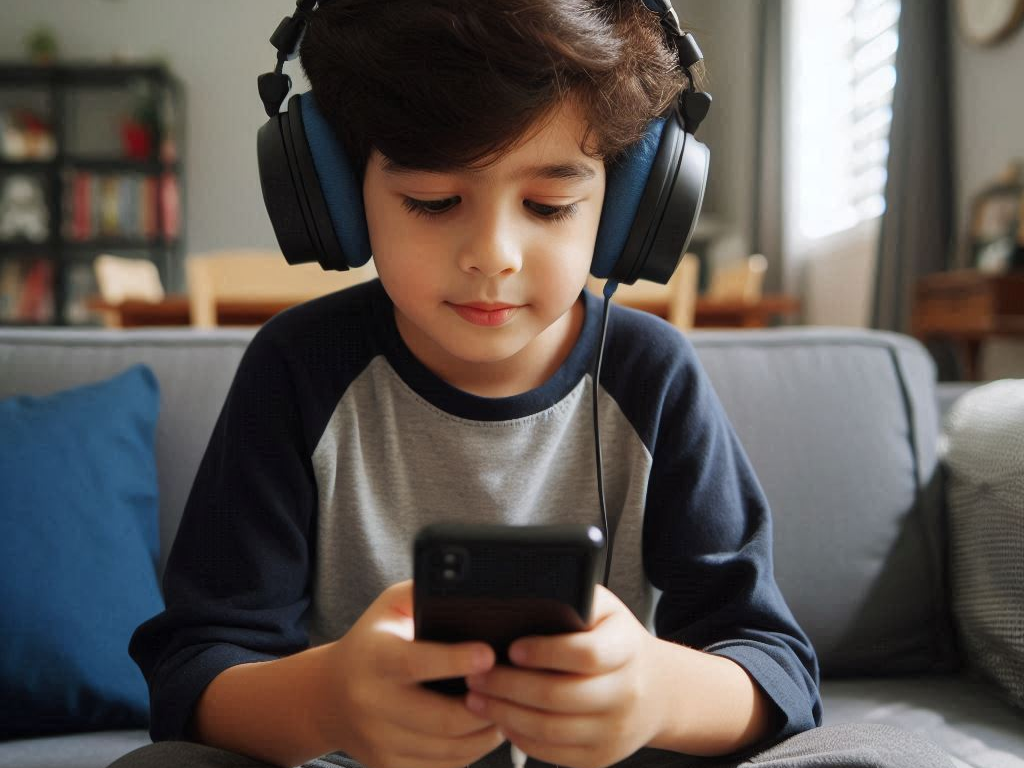
Look for kid-friendly headphones with volume-limiting features. Prioritize comfort with soft padding and a lightweight design. Selecting the right headphones is crucial when kids sleep with headphones regularly.
Curate playlists or audiobooks that are calming and conducive to sleep. Avoid content that’s too engaging or exciting. The right content can enhance the experience when kids sleep with headphones.
Create a consistent bedtime routine that incorporates headphones. This could include quiet time with soothing audio, signaling that it’s time to sleep. When kids sleep with headphones as part of a routine, they can develop better sleep habits.
If you have concerns about kids sleeping with headphones, consider these alternatives:
These devices can create a soothing environment without the need for headphones. They effectively mask background noise, promoting better sleep for children. White noise can be a great option if kids sleep with headphones isn’t ideal.
Many apps provide calming sounds, like rain or ocean waves. These can help kids relax without using headphones, ensuring a peaceful environment. If kids sleep with headphones is not preferred, ambient sounds can still create a calming atmosphere.
Focus on making the sleep space comfortable. A cool, dark, and quiet room can enhance sleep quality without audio stimulation. Even if kids sleep with headphones, the sleep environment matters greatly.
Allowing your child to sleep with headphones can have both benefits and risks. While it may improve sleep quality and provide comfort, parents should remain vigilant about potential dangers. By considering your child’s unique needs, monitoring audio levels, and exploring alternatives, you can make informed choices that promote healthy sleep habits. Ultimately, understanding the implications of how kids sleep with headphones can lead to better decisions.