If you ask most parents why their children can’t put TikTok down, the answer is usually the same: “I don’t know. They just get stuck in it.” And honestly, that’s the truth. Children don’t open TikTok with the intention of scrolling for an hour. They fall into it because the app is designed to remove effort, reduce friction, and serve a continuous stream of videos that feel rewarding, relatable, or exciting.
But the real question, why is TikTok addictive for children, goes much deeper than flashy edits or dance trends. In 2025, TikTok has evolved into a digital space where kids learn, socialize, express themselves, escape boredom, and even shape their identity. When all of that lives in one app, plus an algorithm that adapts faster than any child can notice. Then, it becomes incredibly difficult for a young mind to resist.
Kids have spent enough time with TikTok that they see the For You Page almost like a friend who understands them. The algorithm pays attention quietly such as what they pause on, what they rewatch, what they scroll past, and what makes them smile. In return, it gives them a feed that feels comforting and familiar.
Children don’t explain their preferences the way adults do. They don’t say, “I prefer calm humor over loud jokes.” They simply linger on one funny clip, and TikTok immediately shifts their feed to match.
To a child, this feels almost magical. The app notices them without demanding anything back. That sense of being “seen” becomes emotionally rewarding, which is one reason kids feel so attached to TikTok and keep coming back for more.
TikTok is built around the idea that curiosity shouldn’t be interrupted. There’s no searching, no browsing, no thinking. Just swiping. The moment one video ends, another appears, and that tiny spark of “what’s next?” becomes addictive.
Children rarely feel like they’re “done.” There is no final episode, no last chapter, no natural stopping point. Only more of what they already enjoy.
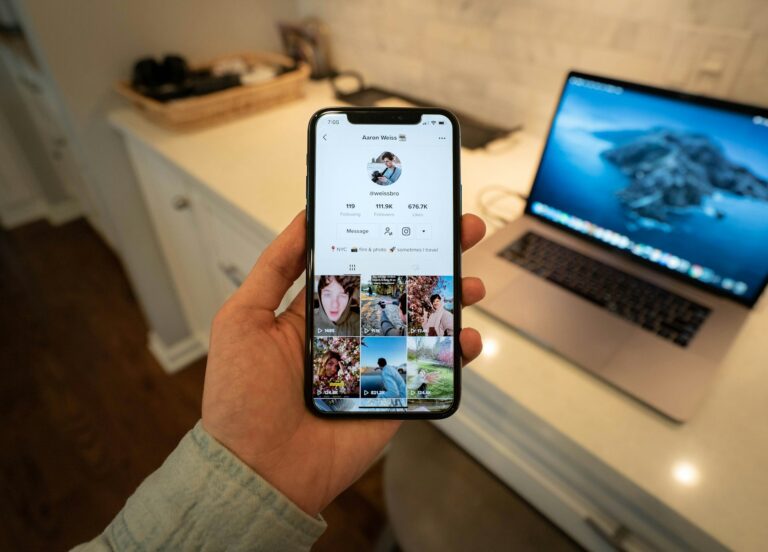
If you watch TikTok through a child’s eyes, the pace is intense. Every video is short, punchy, colorful, emotionally charged, and designed to grab attention instantly. It’s entertainment that never slows down.
Children get used to rapid bursts of stimulation like funny clips, surprises, challenges, quick transformations. All delivered in very short moments. Over time, this becomes a habit. Kids naturally gravitate toward what feels instantly rewarding, and TikTok offers that reward with virtually no effort.
When a platform makes everything feel good immediately, real life begins to feel too slow. Simple tasks like reading, doing homework, or waiting in line feel “boring” because they don’t deliver fast rewards the way short form videos do.
Activities that require patience like reading books, talking, playing, creating struggle to compete with a feed built around nonstop stimulation. This doesn’t make TikTok inherently bad; it just highlights how dramatic the contrast in pace can be.
Children begin to associate quiet or slow moments with boredom, because the app has trained them to expect instant novelty.
TikTok is more than entertainment to Gen Alpha. It’s where culture happens. How kids talk, joke, dress, and interact often comes from what they see there.
FOMO isn’t limited to adults. Kids feel it intensely. If their friends are quoting a trending sound or reenacting a viral challenge, no one wants to be the only one out of the loop. TikTok becomes the fastest way to stay socially relevant. This social pressure pulls kids back into the app. Not just for fun, but to stay connected and included.
For a child, every notification carries emotional weight. A like means “someone noticed me.” A comment means “someone thinks I’m funny or creative.” These small moments of validation build emotional attachment.
Kids don’t just check TikTok for entertainment. They check to see if someone responded to them. That loop is difficult to break, especially when they’re still forming their sense of identity.
Many children turn to TikTok simply because it fills the empty spaces in their day. When they’re bored, stressed, overwhelmed, or lonely, TikTok becomes an easy escape.
Kids don’t say, “I need emotional regulation.” They open TikTok because it distracts them instantly. It’s predictable, comforting, and familiar. When a digital escape becomes the first response to uncomfortable feelings, the attachment strengthens naturally.
Children don’t notice when scrolling becomes a coping mechanism. They just know it feels good and helps them avoid discomfort. Over time, the habit becomes automatic. They reach for the phone before they even realize what emotion triggered it. This subtle emotional dependency is one of the strongest reasons why TikTok is addictive for children today.

Saying “just stop using TikTok” rarely works. Kids feel punished, parents feel unheard, and the cycle repeats. A more effective approach is to treat this as an attention reset experiment. Not a fight.
Use calm, cooperative language that lowers defensiveness, such as asking them to “wrap up in two swipes,” suggesting “let’s try this plan for two weeks and adjust it together,” or reminding them “I’m not taking your phone away, I just want it to feel less like the only fun option.” These small shifts keep the conversation collaborative and reduce conflict around screen time.
Instead of lecturing them about attention span, adjust the environment with simple boundaries: keep phones in shared spaces instead of bedrooms, avoid phones in bathrooms, and save TikTok for after homework. These realistic tweaks make it naturally harder to get pulled into endless scrolling without making kids feel controlled.
Help kids avoid the most addictive moment, the first morning scroll by having them complete one small task first. For instance, brushing teeth, getting dressed, eating breakfast, or feeding the pet. A predictable morning routine reduces all-day scrolling, and most kids accept it because it feels fair and easy to follow.
Kids take guidance more seriously when they feel understood. Acknowledge that TikTok is genuinely entertaining, and position screen limits as a shared goal rather than a restriction: “Let’s make sure you enjoy it without letting it take over.” Together, agree on simple guardrails such as time windows, short breaks, or after-homework use. When kids feel respected, they’re more willing to participate in healthier screen habits.