Not all educational apps are created equal.
Some are designed to keep children scrolling. Others are built to develop real skills.
The difference matters.
The best online learning platforms do more than entertain. They build structured competencies, reinforce academic foundations, and support measurable progress.
If you’re looking for free, trustworthy, and structured online education platforms for kids, these five stand out for the right reasons.
Typing is rarely considered a core academic skill.
Yet in today’s digital classrooms, keyboard fluency directly affects writing speed, assignment completion, and confidence.
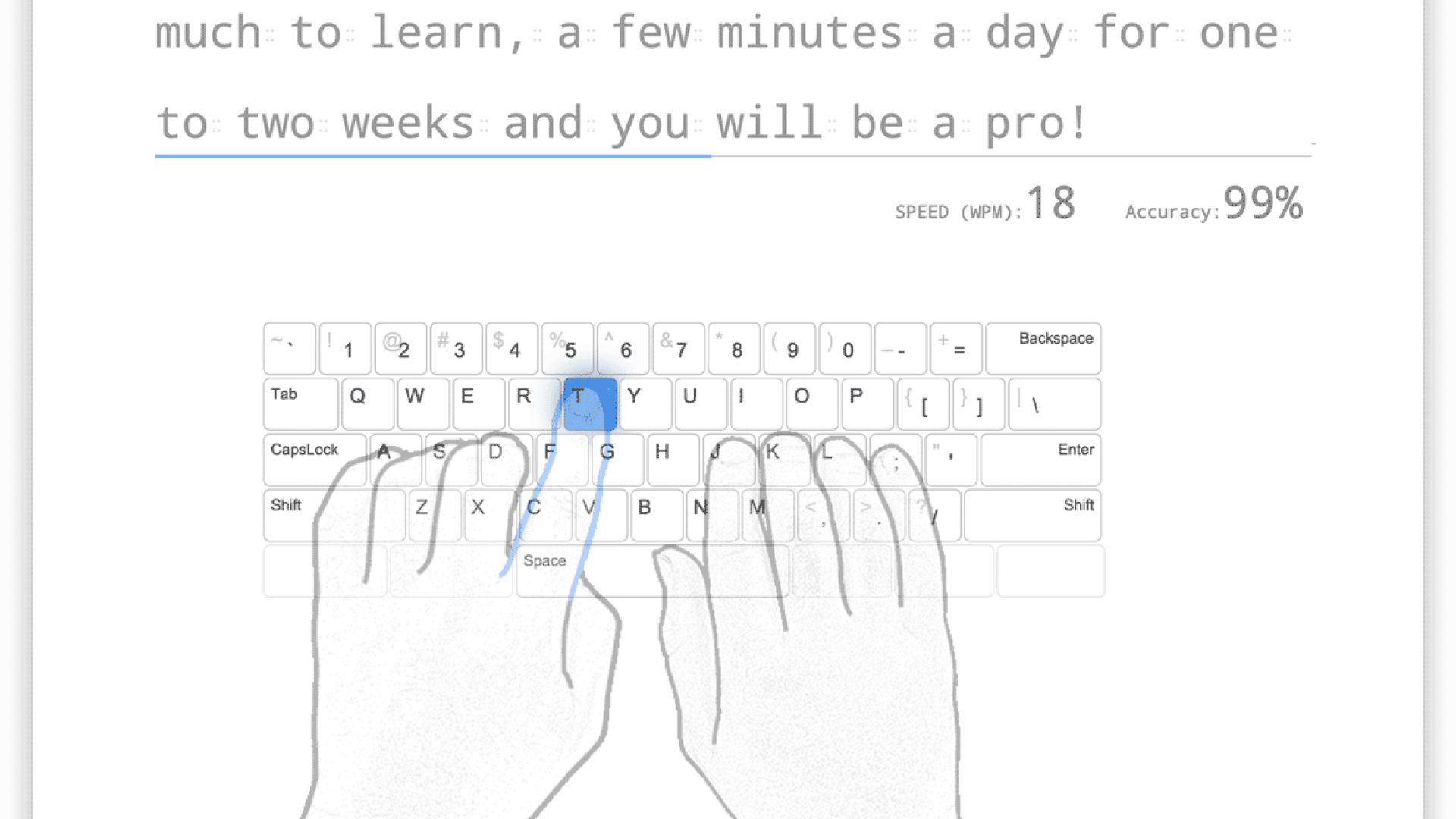
Among modern online learning platforms, TypingClub focuses on a foundational capability that influences nearly every subject: efficient written communication.
Unlike many flashy digital learning platforms, it follows a structured, distraction-free lesson path.
No content feed.
No algorithm trap.
Just progressive skill development.
TypingClub strengthens:
Writing efficiency
Focus and task endurance
Digital productivity
Accuracy and speed
Academic workflow confidence
Students who type comfortably spend less energy on mechanics and more energy on critical thinking.
Among all skill-based learning tools, this one produces immediate academic impact.
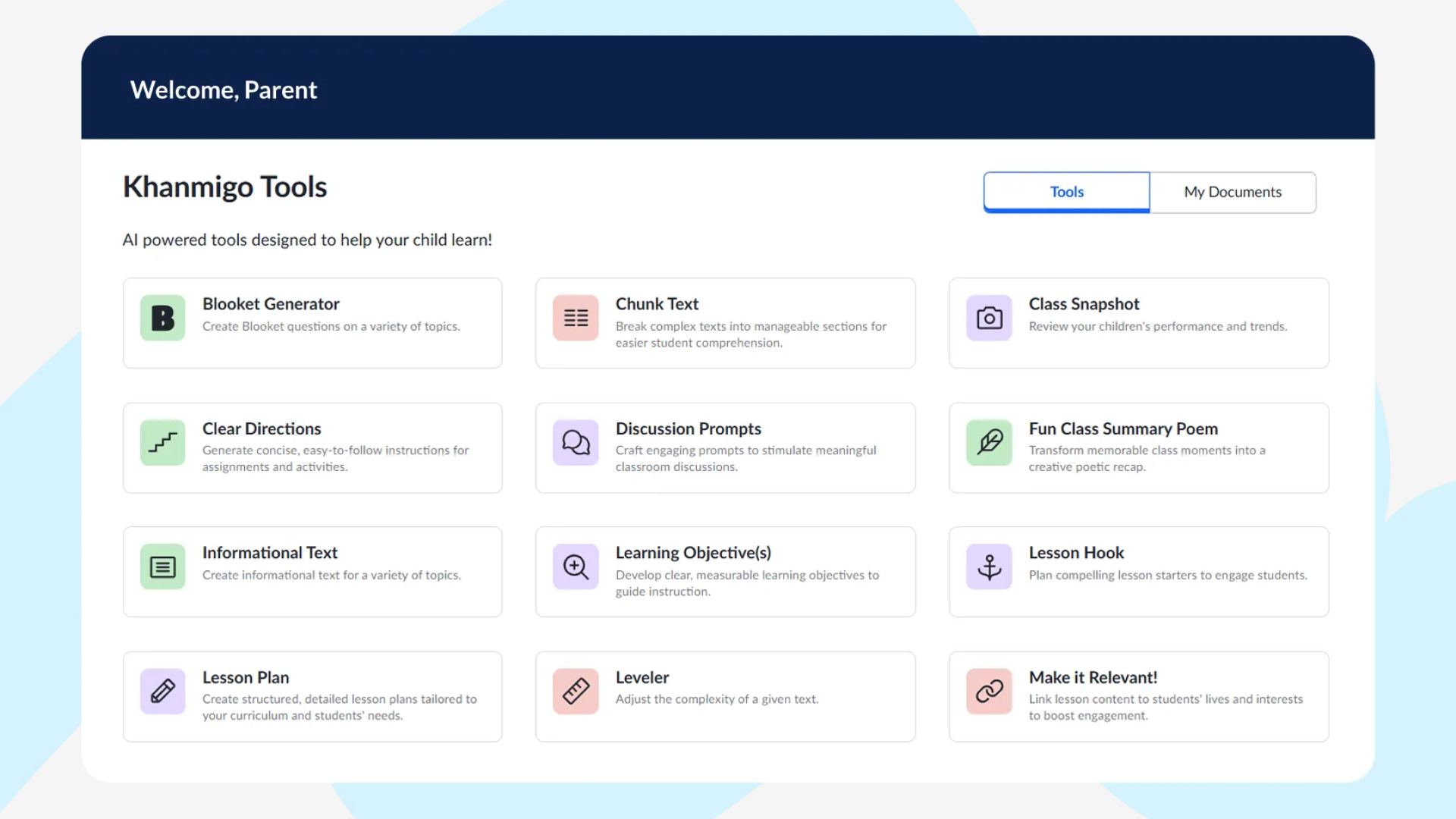
Khan Academy is one of the most respected free online education platforms globally and for good reason.
Its lessons follow logical progressions aligned with academic standards. Concepts build step-by-step rather than appearing randomly.
This structure makes it one of the most reliable online learning platforms for math, science, and test preparation.
Mastery-based progression
Immediate feedback
Clear learning paths
Reinforcement before advancement
Instead of rewarding speed, it reinforces understanding.
That distinction supports long-term retention.
Coding is not just about programming.
It builds structured reasoning.
Code.org introduces computer science through interactive lessons designed for different age levels, making it one of the most accessible digital learning platforms for problem-solving skills.
Beyond coding syntax, students develop:
Logical sequencing
Pattern recognition
Debugging mindset
Analytical persistence
Among modern online learning platforms, Code.org stands out because it strengthens thinking frameworks not just technical knowledge.
Curiosity is powerful when directed properly.
National Geographic Kids transforms curiosity into structured exploration. It blends science, geography, and real-world knowledge into interactive content without overwhelming distraction.
National Geographic Kids offers credible, research-backed information in child-friendly formats.
Children exposed to structured informational content improve:
Reading comprehension
Knowledge retention
Scientific vocabulary
Global awareness
This platform turns passive interest into educational expansion.
PBS Kids is designed specifically for younger children, making it one of the most developmentally appropriate learning platforms for early education.
Its games and videos reinforce literacy, numeracy, and social-emotional skills through structured repetition.
PBS Kids supports:
Letter recognition
Basic math concepts
Emotional regulation
Listening comprehension
Among trusted online education platforms, it prioritizes age-appropriate cognitive development over overstimulation.
Even the best free online education platforms require intention.
Technology amplifies learning only when it is framed with purpose.
Instead of maximizing screen hours, focus on structured learning sessions. A defined goal. A measurable outcome. A short reflection afterward.
Pair digital lessons with offline application. Let typing practice turn into writing. Let coding become small creative projects. Let science content spark real-world discussions.
The difference between dependency and growth is not the platform.
It is the structure surrounding it.
Free does not mean low quality. Many reputable online education platforms prove that accessibility and excellence can coexist.
But selection determines outcomes.
When parents choose structure over stimulation, screen time transforms into skill development.
And that shift, from activity to ability is what truly supports long-term academic success.