Artificial Intelligence is no longer just for tech experts or scientists. Today, AI is becoming a useful tool for education—even for young children. With the rise of digital tools in parenting, many parents are now searching for a website AI for kids that is safe, engaging, and educational. But not all platforms are made equal.
At Kids.tech, we believe in a balanced digital environment. That means choosing tools that support learning, creativity, and digital wellbeing. In this article, we will critically review five recommended AI websites for kids that combine fun and smart learning.
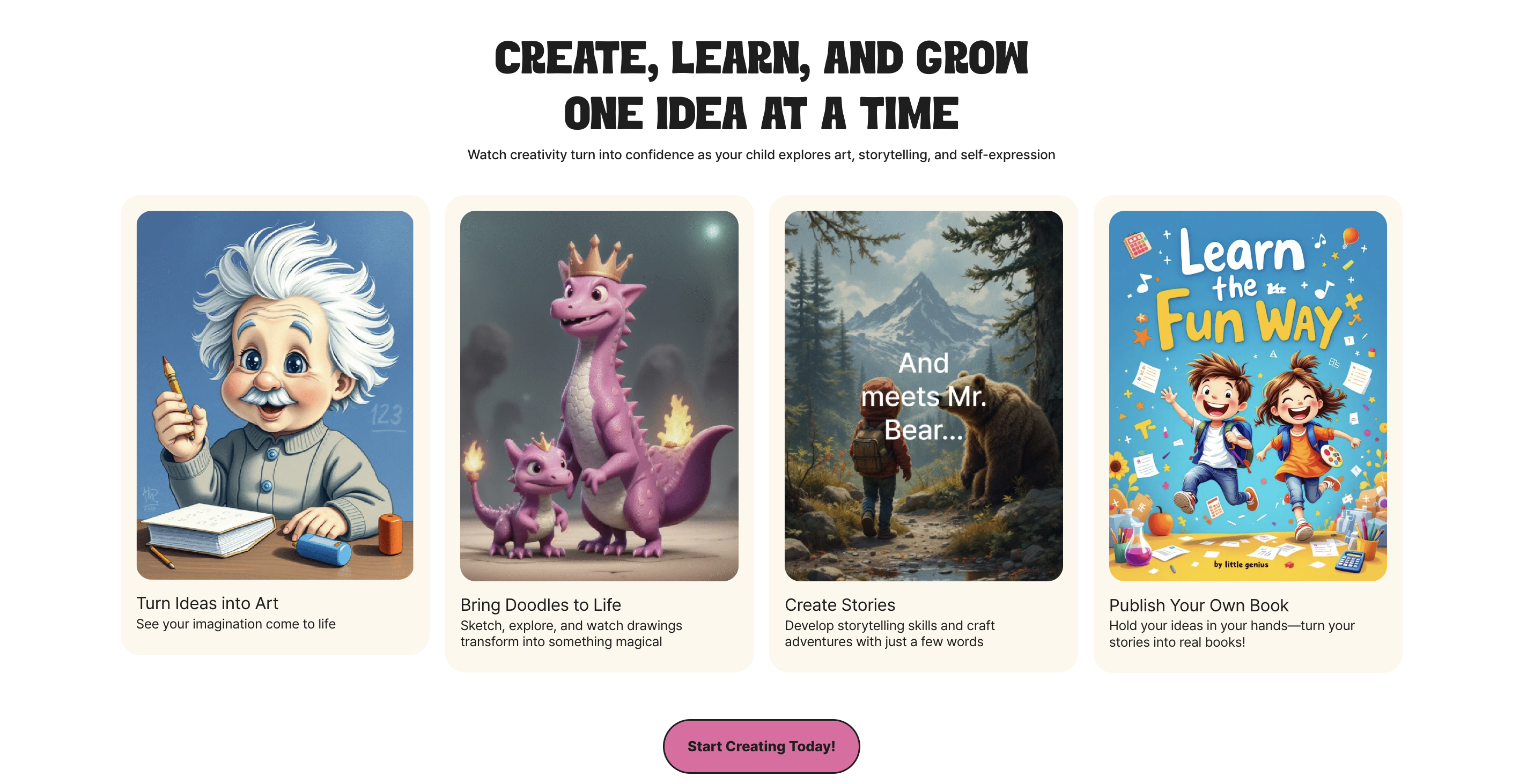
Kidgeni is a creative AI platform for children that lets kids write stories and create digital art using AI. What sets Kidgeni apart is how it helps kids express imagination with support from artificial intelligence. It’s built to be safe and easy to use, with features like text prompts, drawing tools, and a parent-friendly interface.
Kidgeni is great for sparking storytelling skills. Kids can type a short sentence, and the AI will turn it into a full story or picture. This helps children build confidence and improve their language skills. Parents can also monitor progress, making it a good addition to any digital parenting strategy.
Safe and ad-free
Encourages creativity
Simple dashboard for parents
Not deeply focused on STEM or coding
Limited content customization for older kids
LittleLit.ai is another AI learning tool for children that focuses on reading and writing. It uses AI to build interactive stories based on your child’s interests. For example, if your child loves space, the platform can create a story with astronauts and galaxies—all in a child-friendly tone.
LittleLit promotes literacy through play. Kids can explore characters, settings, and even plot twists. This makes reading fun while supporting comprehension skills. Unlike passive screen time, this website encourages active engagement.
Personalized storytelling
Promotes reading habits
Built for kids aged 4–10
Limited availability on mobile
No support for non-English languages (as of now)
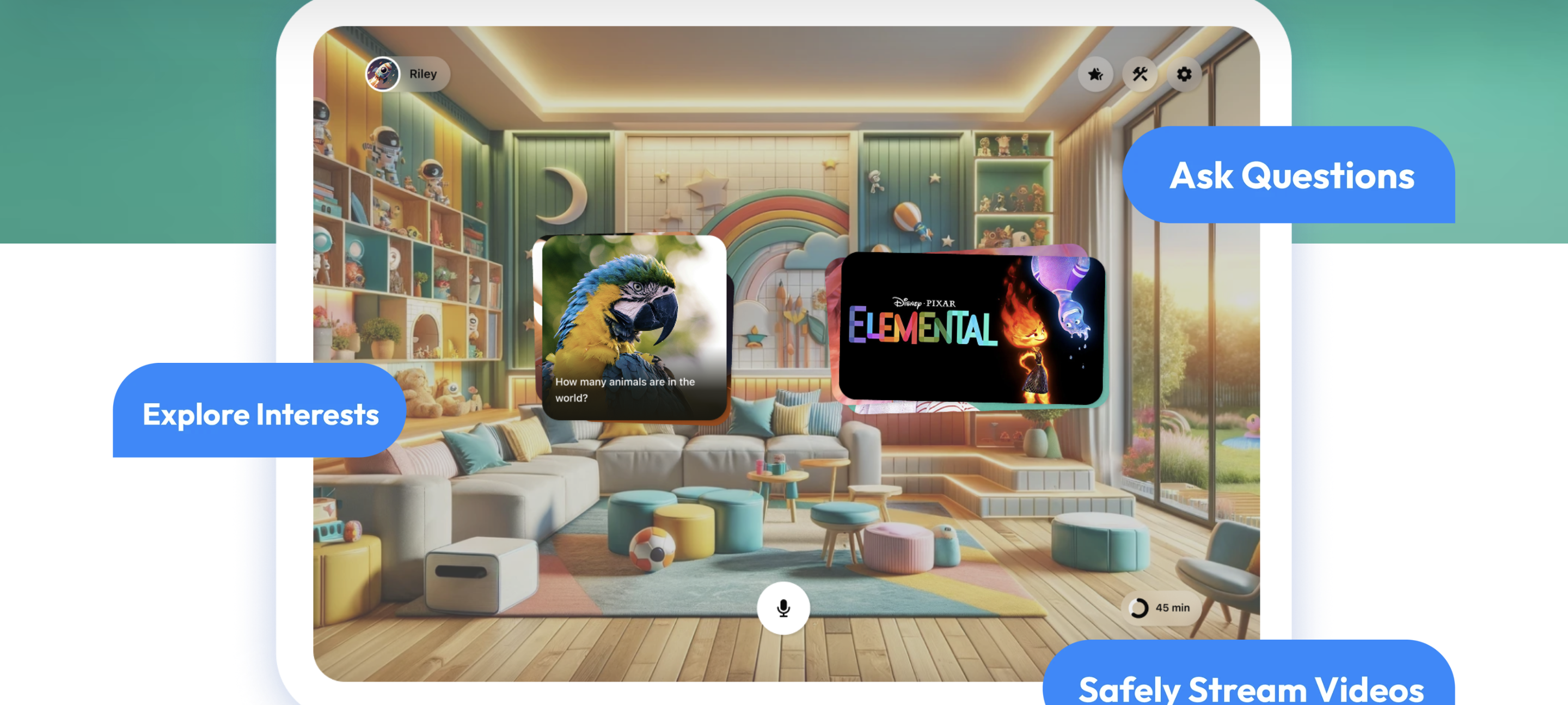
AngelQ is a unique kid-friendly AI platform designed as a conversational friend for children. Unlike other AI tools that focus on creation or coding, AngelQ acts more like a chatbot that answers questions in a way kids can understand.
This website is ideal for helping kids explore general knowledge. The AI is programmed to keep responses simple and positive. It’s great for kids who ask “why” all the time, and it helps reduce screen time spent on random internet searches.
AngelQ also focuses on safety. The platform filters inappropriate content and avoids sharing personal information. That’s important for digital parenting and teaching kids safe online habits.
Safe chatbot environment
Encourages curiosity and inquiry
No ads or external links
Less interactive than other platforms
No parental dashboard (yet)
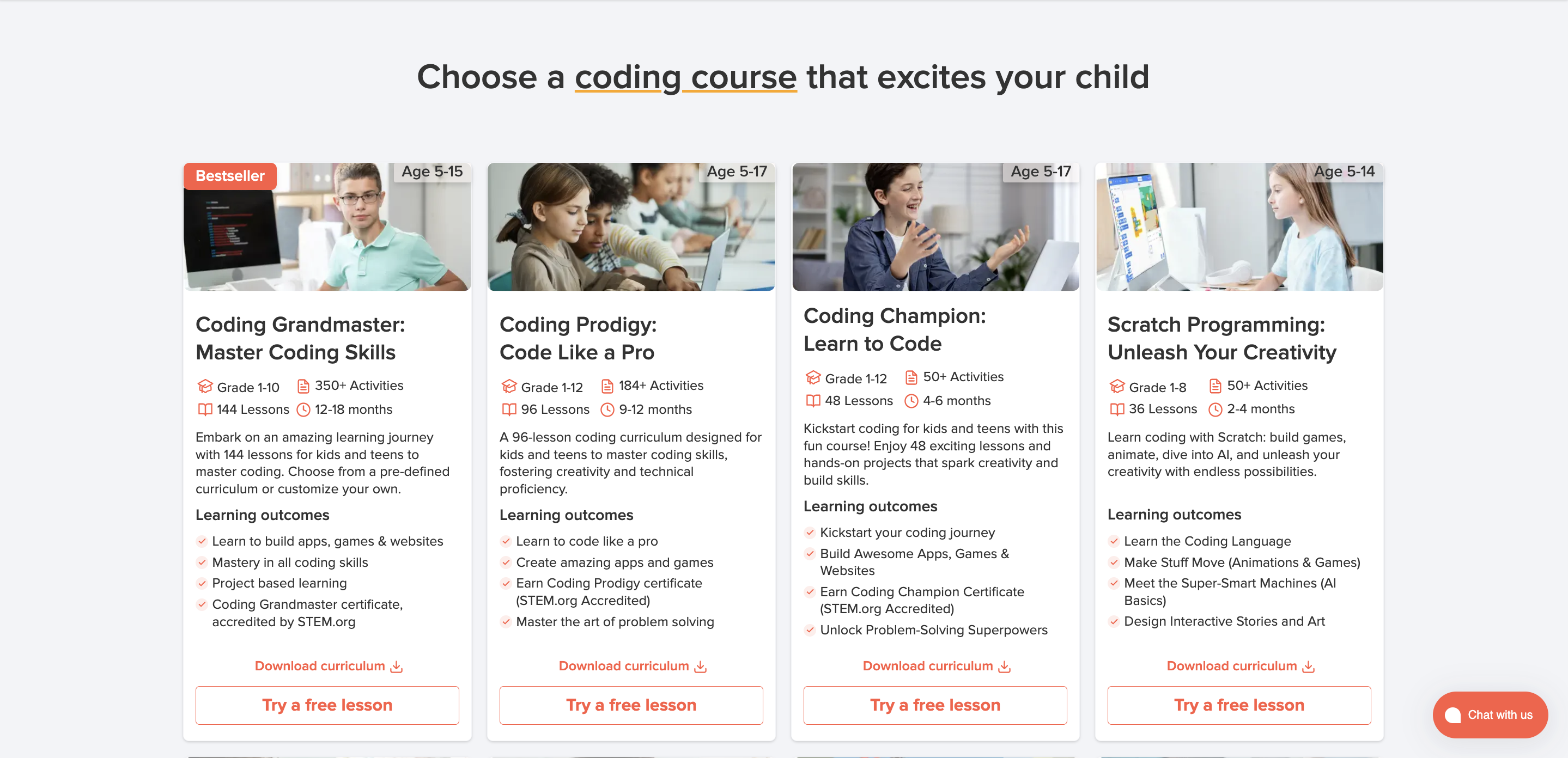
Codingal is a well-known educational AI website for kids who want to learn coding. It offers live classes and self-paced modules covering programming languages, logic, and even AI basics.
The platform is suitable for kids aged 7 to 17. Codingal offers real project-based learning, where children can create games, apps, and AI chatbots. This helps them move from passive tech users to active tech creators. For parents who want to introduce AI education for kids, Codingal is a serious option.
However, this platform is more structured than others. It may require adult supervision, especially for younger children. Still, it’s an excellent long-term investment for tech-savvy families.
Structured curriculum
Offers AI and coding lessons
Taught by experienced instructors
Can be expensive
Requires ongoing commitment
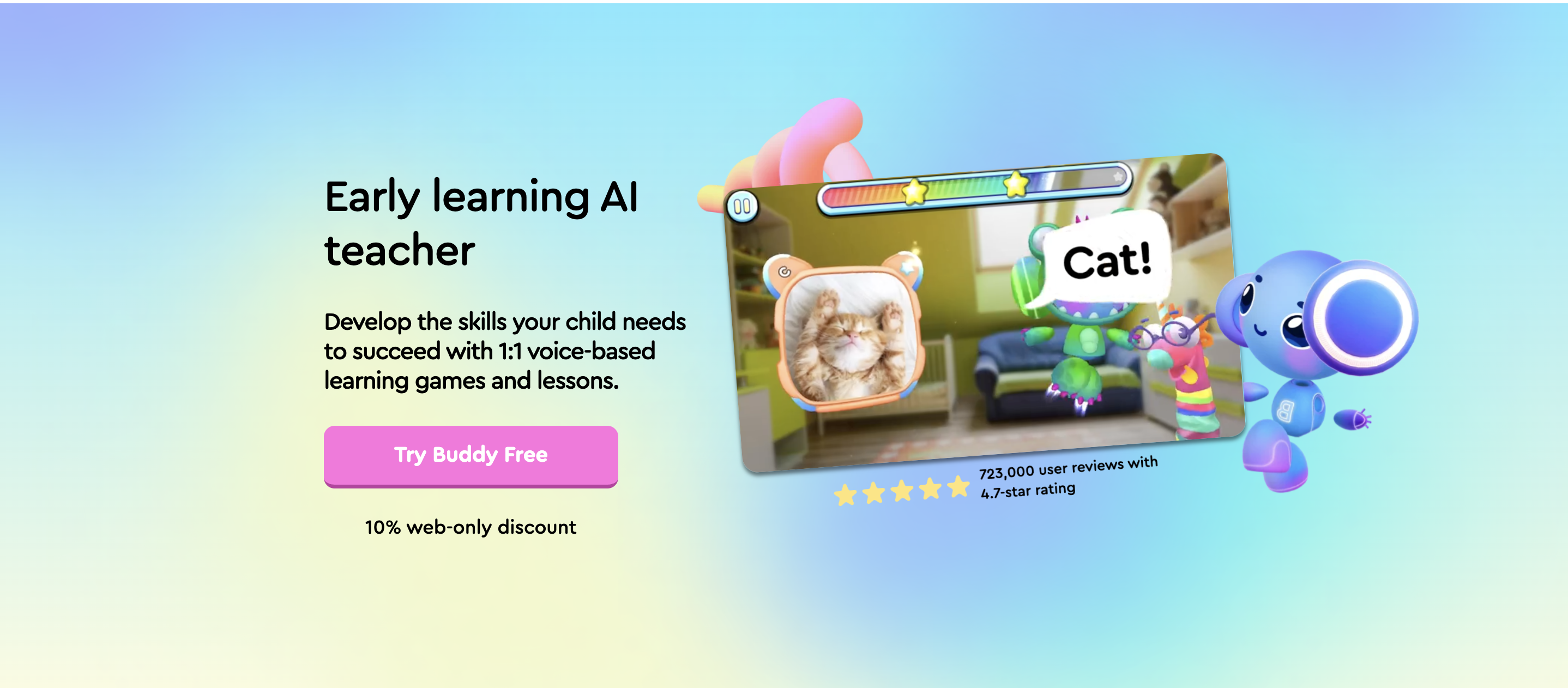
Buddy.ai is an AI-powered learning assistant for children who are learning English. It works like a voice tutor. Kids speak with Buddy to practice vocabulary, pronunciation, and listening skills in a fun, interactive way.
The app feels like talking to a cartoon character, which makes it enjoyable for younger kids. It’s ideal for non-native English speakers or bilingual families looking to support language development. The use of voice recognition and gamification makes it engaging and effective.
Buddy.ai also gives feedback and adjusts to your child’s pace. It’s more than just a language app—it’s a smart AI website for kids that builds confidence through communication.
Interactive voice learning
Adaptive AI responses
Ideal for ESL learners
Focused only on English
Works best on mobile devices
When choosing a website AI for kids, parents should ask three key questions:
1. Is it safe and age-appropriate?
AI tools must include filters and protection for children’s data. Look for platforms that are ad-free and do not collect personal information.
2. Is it educational or just entertaining?
Not all tech is bad, but not all tech is good either. Choose platforms that support literacy, creativity, or STEM learning.
3. Can it grow with your child?
The best tools offer different levels of learning. As your child grows, they should be able to explore more complex ideas and tools.
Artificial Intelligence can be a powerful learning ally when used wisely. The five platforms we’ve reviewed—Kidgeni, LittleLit, AngelQ, Codingal, and Buddy.ai—offer unique ways for kids to learn, explore, and grow in a digital world.
As parents, we must guide our children toward tools that balance safety, creativity, and education. Choosing the right website AI for kids is not just about screen time, but about using technology to build skills and confidence.
At Kids.tech, we believe that digital parenting is not about saying “no” to tech—but about saying “yes” to the right kind.